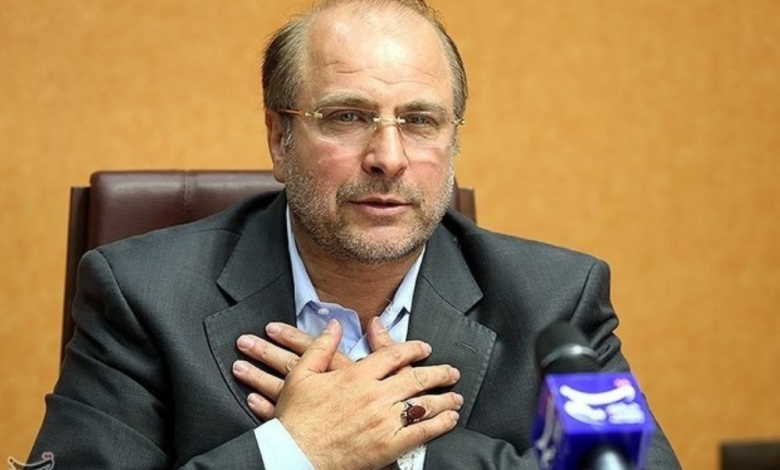

في تصعيد جديد للخطاب السياسي بين طهران وواشنطن، وجه رئيس مجلس الشورى الإيراني، محمد باقر قاليباف، إنذاراً حاداً إلى الولايات المتحدة، داعياً إياها إلى قبول المقترحات الإيرانية لإنهاء الصراع في الشرق الأوسط، أو الاستعداد لمواجهة “فشل تلو الآخر”. جاءت تصريحات قاليباف رداً على مواقف الرئيس الأمريكي دونالد ترامب، الذي وصف جهود وقف إطلاق النار بأنها على “جهاز إنعاش” بفرصة نجاح ضئيلة.
السياق التاريخي والتوترات المتصاعدة
تأتي هذه المواجهة الكلامية في خضم توترات إقليمية ودولية معقدة. فالعلاقة بين إيران والولايات المتحدة تشهد عداءً تاريخياً منذ عقود، تفاقم بشكل كبير بعد انسحاب واشنطن من الاتفاق النووي (خطة العمل الشاملة المشتركة) في عام 2018 وإعادة فرض عقوبات اقتصادية قاسية ضمن سياسة “الضغط الأقصى”. وقد أدت هذه السياسة إلى تدهور الاقتصاد الإيراني وزيادة حدة المواجهة بين البلدين في مختلف ساحات المنطقة، من العراق وسوريا إلى اليمن، وعبر وكلاء إيران في ما يعرف بـ”محور المقاومة”.
وقد شهدت الفترة الأخيرة تصعيداً خطيراً في المنطقة، خاصة مع اندلاع الحرب في غزة، والتي امتدت تداعياتها لتشمل جبهات متعددة، أبرزها جنوب لبنان، مما يضع المنطقة بأكملها على حافة صراع أوسع نطاقاً.
شروط إيران ومقترح الـ 14 بنداً
أكد قاليباف في منشور له على منصة “إكس” (تويتر سابقاً) أنه “لا بديل عن قبول حقوق الشعب الإيراني كما وردت في الاقتراح المؤلف من 14 بنداً”، محذراً من أن أي مقاربة أخرى ستكون “عقيمة تماماً”. وعلى الرغم من عدم الكشف رسمياً عن كامل بنود المقترح، أفادت تقارير إعلامية أن المطالب الإيرانية الرئيسية تشمل:
- وقف فوري وشامل للأعمال الحربية: لا يقتصر ذلك على جبهة واحدة، بل يشمل جميع مناطق الاشتباك في المنطقة، بما في ذلك الهجمات الإسرائيلية في جنوب لبنان.
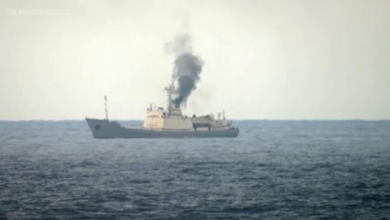
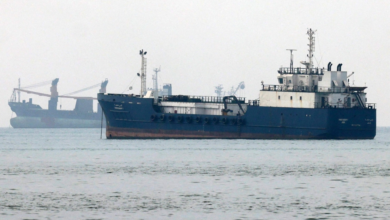
- إنهاء الحصار الاقتصادي: تطالب طهران برفع الحصار الذي تفرضه البحرية الأمريكية على موانئها، والذي يعيق صادراتها ووارداتها بشكل كبير.
- الإفراج عن الأصول المجمدة: تسعى إيران لاستعادة أصولها المالية المجمدة في البنوك الخارجية بموجب العقوبات الأمريكية، والتي تقدر بمليارات الدولارات.
الورقة النووية وتداعياتها الإقليمية والدولية
لم يقتصر التصعيد الإيراني على الجانب السياسي، بل امتد ليشمل تلويحاً بالورقة النووية. فقد أشار إبراهيم رضائي، المتحدث باسم لجنة الأمن القومي في البرلمان الإيراني، إلى احتمالية رفع مستوى تخصيب اليورانيوم إلى 90%، وهي النسبة اللازمة لصنع سلاح نووي، في حال عدم الاستجابة للمطالب الإيرانية. يمثل هذا التصريح تهديداً خطيراً للأمن الإقليمي والدولي، ويزيد من تعقيد الجهود الدبلوماسية الرامية إلى إحياء الاتفاق النووي ومنع سباق تسلح في الشرق الأوسط.
إن مثل هذه الخطوة، إن تمت، ستضع المجتمع الدولي، وخاصة القوى الكبرى، أمام خيارات صعبة، وقد تدفع باتجاه مواجهة عسكرية مباشرة، وهو ما تسعى الأطراف المختلفة لتجنبه حتى الآن.
التأثير المتوقع والمستقبل المنظور
تحمل هذه التصريحات دلالات هامة على مختلف الأصعدة. داخلياً، تهدف إلى حشد الدعم الشعبي وإظهار موقف القوة والصلابة في مواجهة الضغوط الخارجية. إقليمياً، هي رسالة واضحة لحلفاء واشنطن وخصوم إيران بأن طهران لن تتنازل عن مصالحها ومستعدة للتصعيد. أما دولياً، فهي تضع الكرة في ملعب الإدارة الأمريكية، وتختبر مدى جديتها في البحث عن حل دبلوماسي للصراع، وتزيد من الضغط على الوسطاء الدوليين لإيجاد مخرج للأزمة المتفاقمة التي تهدد استقرار العالم وإمدادات الطاقة العالمية.