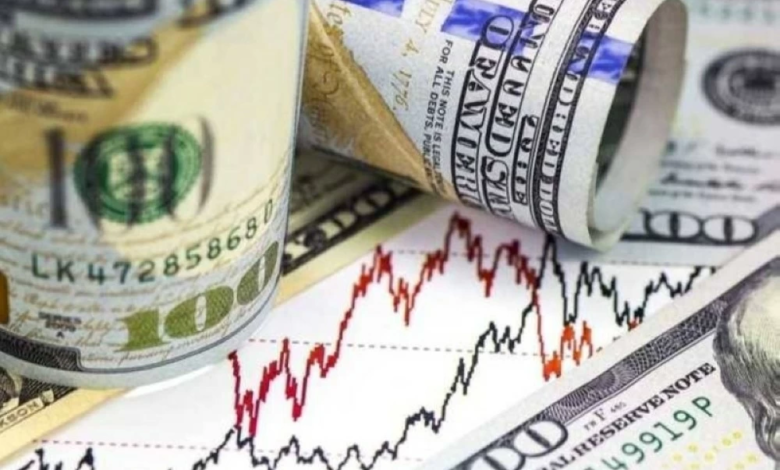

Global financial markets have undergone a radical and alarming shift, with government bond yields, particularly on US Treasury bonds, reaching record highs not seen in over 16 years. This dramatic rise in yields, approaching levels last seen before the 2008 global financial crisis, represents a pivotal turning point in the structure of the global economy, ending a long era of cheap money and low interest rates to which markets had become accustomed.
Economic context and historical background
This rapid rise is a direct result of the tight monetary policies pursued by major central banks, most notably the US Federal Reserve, in an attempt to curb the inflation that swept the world in the wake of the COVID-19 pandemic and subsequent geopolitical crises. The fact that yields have reached these levels reflects investors' conviction that interest rates will remain high for longer than previously anticipated, which has repriced risk across all asset classes.
The impact of the end of the "cheap money" era
The significance of this event lies in its game-changing nature for investment; the rising returns on risk-free bonds make them a highly attractive alternative to volatile stock markets. This pressure on stock markets typically leads to declining company valuations, as borrowing costs increase to finance expansion and growth, thus squeezing future profit margins.
Implications for the global economy and emerging markets
Internationally, rising US Treasury yields strengthen the dollar, putting immense pressure on emerging market currencies and increasing the cost of servicing their dollar-denominated debt. For countries with fiscal deficits, this translates to a heavier debt burden that could hinder development plans.
Regionally, dollar-pegged economies, such as the Gulf Arab states, are directly affected by the decisions of the US Federal Reserve, meaning that borrowing costs will remain high domestically, which could impact the real estate, construction, and personal consumption sectors. This complex economic landscape requires investors and policymakers to reassess their strategies to adapt to a new financial reality characterized by high and sustained capital costs.