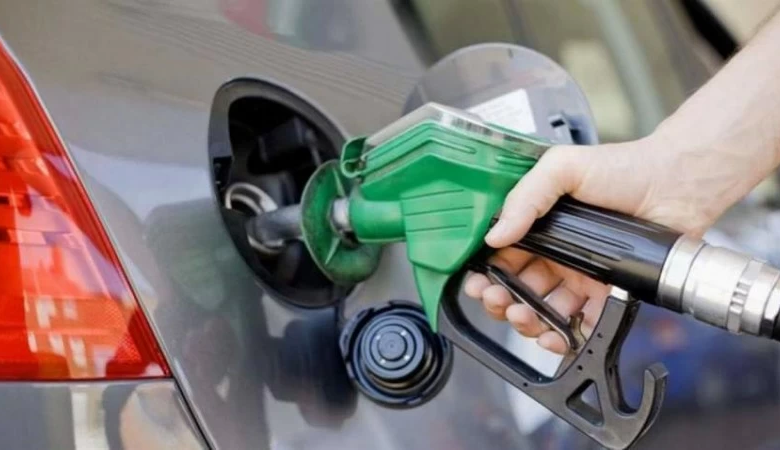
The global energy crisis is worsening: a state of emergency has been declared and prices are at record highs

Introduction: The global energy crisis enters a dark tunnel
The global energy crisis is worsening daily, fueled by escalating geopolitical tensions and military conflicts, particularly the serious repercussions of the war and the US-Israeli tensions with Iran. This escalation has cast a heavy shadow over energy markets, leading to a sharp decline in fuel supplies in several countries and a dramatic surge in prices due to soaring crude oil prices, with no clear end in sight to these successive crises.
Historical context and strategic importance of the region
Historically, the Middle East has been a vital artery for global energy flows. Approximately one-fifth of the world's oil consumption, along with vast quantities of liquefied natural gas, passes through the Strait of Hormuz alone. Any threat to maritime security in this region evokes memories of major energy shocks, such as the oil crisis of the 1970s or the more recent crises that followed the outbreak of the Russo-Ukrainian War. This impact extends beyond the regional level, striking major international economies and threatening global stagflation due to increased production and transportation costs.
United States: California in the eye of the storm
In the United States, the situation in California stands out as one of the worst examples of the impending energy crisis. The state, which relies on very strict environmental standards for fuel, finds itself isolated from the rest of the US supply chain. One of the largest energy companies has warned that it may withdraw its refining operations from the state entirely if the stringent environmental regulations are not relaxed. Because California imports about 20% of its refined fuel from Asia, the global crisis has directly impacted its refineries, with diesel prices reaching an unprecedented record high of $7 per gallon.
The worst-case scenario: an emergency and a severe shortage of international supplies
Internationally, Australia is experiencing a severe and alarming fuel shortage. This is partly due to the closure of many domestic refineries over the past decade, leaving the country almost entirely dependent on imports. Currently, more than 600 Australian petrol stations are out of at least one type of fuel, with Victoria and New South Wales being the hardest hit.
In Asia, the Philippine government declared a national energy emergency to address supply shortages. Meanwhile, South Korea, a major energy importer, is preparing for worst-case scenarios to ensure the continued flow of vital supplies to its industrial economy.
In India, the world's third-largest energy consumer, the country is experiencing exceptionally long queues at petrol stations. Despite repeated assurances from the Indian government that strategic reserves are sufficient, panic buying is gripping consumers. Meanwhile, reports indicate that several Asian countries have begun stockpiling jet fuel in anticipation of future shortages.
Market forecasts and scenarios for liquefied natural gas
Major financial and research institutions have issued pessimistic forecasts for the future of the markets. S&P Global Energy explained that the current gas price crisis may force many countries to reconsider their plans to increase demand. The agency predicted that global demand growth for liquefied natural gas (LNG) will be significantly lower than pre-war projections. It also projected that gas exports from key countries such as Qatar and the UAE will decline by approximately 33 million tons by 2026.
For its part, Rabobank predicted that average LNG prices in Asia would reach $16.6 per million British thermal units in 2026. UBS, on the other hand, was more pessimistic, raising its forecast for average LNG prices in Asia to $23.6 per million British thermal units this year.
Finally, the data and analytics platform KPLER predicted that the market may reach a state of forced equilibrium in the near term, but this equilibrium will be achieved through a harsh mechanism in which prices rise to levels that destroy and reduce demand, especially in the South Asian region, whose economies are highly sensitive to fluctuations in energy prices.