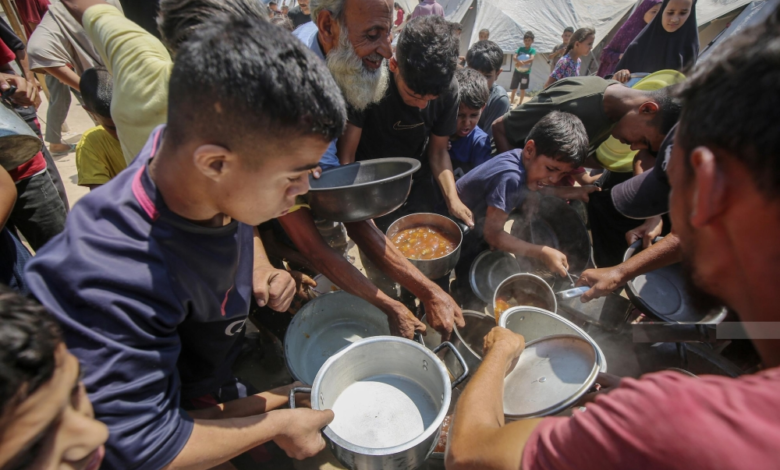

Introduction to the global food crisis
The world today is facing unprecedented challenges that threaten the stability of societies, with food insecurity topping the list of these humanitarian and economic challenges. In a stark warning, the World Food Programme announced that the repercussions of ongoing wars and conflicts, particularly with the escalating geopolitical tensions in the Middle East, could push global hunger figures to unprecedented record levels by 2026. This situation portends a genuine humanitarian catastrophe if international powers do not intervene to halt the global economic decline and ensure the continued flow of aid.
The historical and economic context of the impact of conflicts on food
Historically, wars have always been associated with the destruction of agricultural infrastructure and the disruption of global supply chains. The damage from armed conflicts is not limited to the immediate battlefields; it extends to the closure of vital trade routes, increased shipping and insurance costs, and energy crises that drive up fuel and fertilizer prices. These factors combine to trigger severe inflationary waves that cripple fragile economies, making access to basic food commodities extremely difficult for millions of people in developing countries.
Alarming figures: 45 million more people at risk
According to the latest analysis by the World Food Programme, if conflicts continue without peaceful resolution by mid-year, an additional 45 million people will be pushed into food insecurity or worse. This staggering and alarming figure will add to the already tragic list of 318 million people suffering from severe hunger worldwide, presenting aid and UN agencies with a logistical and financial challenge that exceeds their current funding capacity.
Most vulnerable geographical areas
Developing countries, particularly in Africa and Asia, are the biggest victims of these imported crises. Given their heavy reliance on imported food and fuel, any shock to the global economy has a disproportionately impactful effect. Official projections from the World Food Programme indicate a 21% increase in the number of those affected in West and Central Africa, a 17% increase in East and Southern Africa, and a significant 24% increase in Asia. These figures reflect the fragility of food systems in the Global South.
The Sudan and Somalia crisis: a model of double suffering
At the regional level, Sudan and Somalia stand out as stark examples of the impact of the intersection of armed conflict and extreme climate change. Sudan, which relies on imports for about 80% of its wheat needs, is facing a dire crisis; soaring prices for this strategic commodity are pushing thousands of families into extreme hunger every day. In Somalia, the tragedy is compounded. The country, already suffering from severe drought and extreme weather events, has seen prices of basic commodities rise by at least 20% since the outbreak of the latest conflicts. Both countries have experienced devastating famines in recent years, and today they once again teeter on the brink.
International repercussions and urgent solutions required
The worsening food insecurity will not only affect the local populations of the affected countries, but will also have regional and international repercussions, leading to increased poverty rates, escalating waves of mass displacement, and irregular migration in search of basic necessities. The World Food Programme emphasizes that the lack of urgent additional funding and resources will inevitably lead to a humanitarian catastrophe in the most fragile countries. This requires immediate international action, not only to provide emergency relief but also to push for political solutions that end conflicts and ensure the stability of global food supply chains.