
Gulf and global stock markets rebound amid hopes of de-escalation
Gulf and global stock markets have witnessed a remarkable recovery, recouping a significant portion of their previous losses. This rebound coincided with a notable rise in bond markets and a sharp decline in global oil prices. This positive shift in financial market performance is driven by the intensification of US diplomatic and political efforts aimed at ending the tensions and potential conflict with Iran, which has restored confidence among investors worldwide.
Historical context and the impact of geopolitical tensions
Historically, the Middle East, and specifically strategic waterways like the Strait of Hormuz, has been a sensitive point for the global economy. Approximately one-fifth of the world's daily oil consumption passes through this strait, making any military escalation in the region a direct cause of higher energy prices and increased global inflation. With growing hopes for de-escalation, markets breathe a sigh of relief, as concerns about supply disruptions diminish, positively impacting global production and transportation costs and bolstering the stability of both emerging and developed markets.
Performance of Gulf stock markets
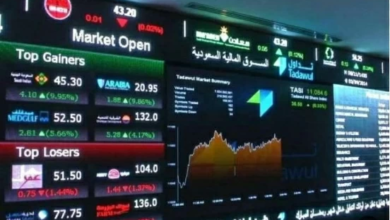
In a swift response to positive political developments, Gulf stock markets rose at the start of trading today, buoyed by improved global sentiment. The Dubai Financial Market index jumped a notable 3.5%, while the Abu Dhabi Securities Exchange index climbed 1.6%. Similarly, the Qatar Stock Exchange and the Muscat Securities Market rose 1% and 1.3%, respectively. Kuwait's Premier Market index also increased by 0.4%, reflecting the markets' immediate reaction to the political developments. In Saudi Arabia, the main stock market index opened with mixed performances but quickly stabilized, recording gains of approximately 0.6% within the first half hour of trading. Regionally, the Egyptian stock market also rose, with its main index climbing nearly 1%, bringing its year-to-date gains to around 13.2%.
The 15-point plan and the reaction of global markets
Internationally, S&P 500 futures rose 0.8%, buoyed by reports that the United States had drafted a comprehensive 15-point plan aimed at ending the war and establishing stability in the Middle East. This move toward peace brought relief to traders after weeks of sharp volatility that had nearly put the S&P 500 on track for its biggest monthly loss in a year.
Lower oil prices ease inflationary pressures
One of the most significant economic consequences of the de-escalation efforts was the sharp decline in energy prices. The price of Brent crude, the international benchmark, fell by 5%, dropping below $100 a barrel, despite the continued de facto closure of the Strait of Hormuz. In Asia, Asian stock markets rose by 2%, buoyed by economic expectations that de-escalation would inevitably ease global inflationary pressures, thereby reducing the need for central banks to continue tightening monetary policy and raising interest rates.
European bonds and stocks rebound
In Europe, the continent led a rally in bond markets, with the yield on the two-year US Treasury note falling three basis points to 3.87%. Meanwhile, gold, a safe-haven asset, edged higher, while the dollar remained largely unchanged. European stocks rallied across the board as markets opened, responding to renewed US efforts to de-escalate tensions. Shortly after trading began, the pan-European STOXX 600 index climbed 1.4%, on track for its first three-day winning streak since the crisis began. All sectors were in positive territory, with the exception of oil and gas stocks, which were weighed down by falling crude prices.
Major European indices also performed strongly, with the UK's FTSE 100 rising 0.9% and Germany's DAX climbing 1.6%. France's CAC 40 and Italy's FTSE MIB both gained 1.4%, underscoring the overall optimism in global financial markets regarding the prospects for peace.