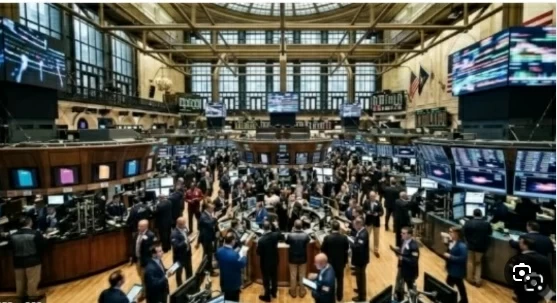

تعيش الأسواق العالمية حالة من الترقب الحذر والضبابية الشديدة، وسط تزايد التكهنات حول مسار العلاقات الأمريكية الإيرانية. وبين احتمال التوصل إلى اتفاق سريع ينهي التوترات، أو تصعيد عسكري كبير قد يدفع أسعار النفط وعوائد السندات إلى مستويات قياسية، يجد المستثمرون أنفسهم عالقين في أسبوع تداول يتسم بضعف السيولة بسبب العطلات، وذلك وفقاً لما نقلته تقارير إخبارية اقتصادية.
مهلة ترمب وخطة التهدئة المقترحة
في تطور لافت، منح الرئيس الأمريكي دونالد ترمب مهلة حاسمة لإيران من أجل التوصل إلى اتفاق شامل يضمن بقاء مضيق هرمز مفتوحاً أمام حركة الملاحة الدولية. وترافقت هذه المهلة مع تحذيرات شديدة اللهجة من واشنطن بأن طهران ستواجه عواقب وخيمة في حال رفضت الاتفاق أو حاولت إغلاق المضيق. وفي هذا السياق، كشفت مصادر مطلعة أن الجانبين تلقيا خطة مبدئية لإنهاء الأعمال العدائية، والتي قد تدخل حيز التنفيذ قريباً.
وتشير التفاصيل المسربة إلى أن الموافقة على هذا المقترح ستؤدي إلى وقف فوري لإطلاق النار وإعادة فتح مضيق هرمز بالكامل، مع وضع إطار زمني يتراوح بين 15 إلى 20 يوماً للتوصل إلى اتفاق نهائي وشامل يرضي جميع الأطراف المعنية.
الأهمية الاستراتيجية لمضيق هرمز والخلفية التاريخية
لفهم حجم القلق الذي يسيطر على الأسواق، يجب النظر إلى الأهمية الجيوسياسية والاقتصادية لمضيق هرمز. يُعد المضيق أحد أهم الممرات المائية في العالم، حيث يمر عبره نحو 20% إلى 30% من إجمالي الاستهلاك العالمي للنفط يومياً. تاريخياً، استخدمت إيران التهديد بإغلاق المضيق كورقة ضغط سياسية خلال أزماتها مع الغرب، خاصة بعد انسحاب الولايات المتحدة من الاتفاق النووي في عام 2018 وإعادة فرض العقوبات الاقتصادية الصارمة على طهران. أي تعطيل للملاحة في هذا الشريان الحيوي يعني صدمة فورية في سلاسل الإمداد العالمية للطاقة، مما ينعكس مباشرة على معدلات التضخم العالمية.
تضارب التصريحات وغياب البوصلة الاستثمارية
رغم الحديث المتكرر عن هدنة محتملة قد تمتد لـ 45 يوماً، يؤكد خبراء الاقتصاد أن المشهد الجيوسياسي لا يزال يتسم بدرجة عالية من التضارب. فإعلان طهران عن عدم استعداد واشنطن لوقف دائم لإطلاق النار يعكس استمرار فجوة الثقة بين الجانبين. هذا التضارب يبقي الأسواق في حالة قلق مستمر، حيث أن ما تحتاجه الشركات والمستثمرون في هذه المرحلة هو الوضوح الكامل.
إن الضبابية الحالية تعيق القدرة على اتخاذ قرارات استراتيجية بعيدة المدى. غياب البوصلة يدفع المستثمرين، سواء على المدى القصير أو الطويل، إلى التريث واللجوء إلى الملاذات الآمنة مثل الذهب والسندات الحكومية، مما يفاقم الضغوط على أسواق الأسهم والأصول عالية المخاطر.
التأثير المتوقع على الاقتصاد الإقليمي والدولي
وصل الوضع الاقتصادي المرتبط بهذه الأزمة إلى عنق الزجاجة. الأسواق تقف أمام سيناريوهين متناقضين: إما التهدئة الدائمة التي ستعيد الاستقرار لأسعار الطاقة، أو التصعيد العسكري الذي سيؤدي إلى قفزات سعرية تضر بالاقتصاد العالمي وتزيد من تكاليف الإنتاج والنقل. الحلول السياسية ستخدم الأسواق المالية بشكل مباشر، حيث أن عودة الصادرات النفطية بكامل طاقتها ستخفف من حدة التوتر.
في النهاية، سيبقى تأثير أي هدنة محتملة على أسعار الطاقة وقطاع البتروكيماويات مرهوناً بمدى الالتزام الفعلي بتنفيذ الاتفاق. التفاؤل الحالي يظل حذراً، لأن الاعتماد على أخبار غير مؤكدة قد يعيد التقلبات العنيفة إلى الشاشات في أي لحظة تتبدل فيها المسارات السياسية.