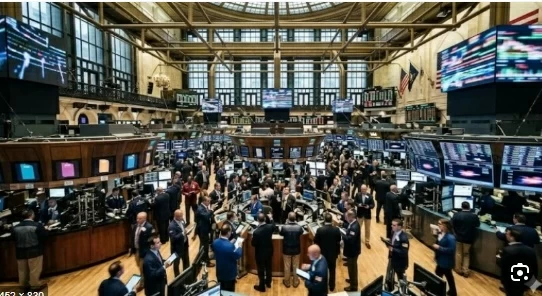

Radical shifts in global markets following the easing of tensions
Global markets experienced a wave of sharp and unexpected movements, fueled by US President Donald Trump's statements about holding what he described as "productive and good" talks with Iran. These diplomatic developments led to an immediate repricing of geopolitical risks, directly impacting commodity prices, safe-haven assets, and global stock markets, which reacted positively to the reduced likelihood of war.
General context and historical background of the tensions
Historically, the Middle East, and specifically its strategic waterways, has been a vital artery for global energy supplies. During times of geopolitical tension, markets quickly add a "risk premium" to oil and gas prices in anticipation of any supply disruptions. Military escalation between Washington and Tehran has always threatened to target energy infrastructure, a worrying scenario for the global economy. With President Trump's announcement on TruthSocial that he had instructed the Department of Defense to suspend any military strikes targeting Iranian power plants and infrastructure for five days, markets breathed a sigh of relief, and expectations shifted from a scenario of widespread military escalation to the possibility of a gradual de-escalation contingent on the success of ongoing meetings.
Sharp decline in oil and gas prices
The most significant reaction was in the energy markets, where oil prices plummeted immediately by approximately 13% before recovering slightly to settle at a 10% decline. As a result, Brent crude traded at $88.39 per barrel. This selling pressure wasn't limited to oil; it extended to natural gas markets as well, with prices in Europe falling by 8.9%, coinciding with easing concerns about supply chain disruptions.
Dramatic fluctuations in gold and cryptocurrency prices
As for safe-haven assets, gold prices experienced dramatic fluctuations. The precious metal initially lost more than 8% of its value, reaching a four-month low of $4,203.21 per ounce, before quickly rebounding to $4,400 per ounce. Meanwhile, riskier assets benefited from improved investor appetite; Bitcoin surged 4.8%, surpassing the $70,000 mark and marking one of its most significant recent gains.
Strong recovery in US and European stock markets
The positive news was clearly reflected in the stock markets, with US stock futures hitting record highs. Dow Jones Industrial Average futures jumped 1,100 points (2.6%). S&P 500 and Nasdaq 100 futures also rose by 2.7%. S&P 500 futures erased earlier losses to later climb by about 2.5%. In Europe, the Stoxx 600 index improved its performance, paring its losses from 2.5% to 0.6% before closing with gains of 1.2%.
Importance and expected impact on the global economy
This event has far-reaching implications locally, regionally, and internationally. Regionally, the suspension of strikes contributes to regional stability and maritime security. Internationally, the decline in oil and gas prices provides strong support to major economies struggling to control inflation. Lower energy costs reduce operating costs for businesses and ease pressure on consumers, giving global central banks greater flexibility in their monetary policies and interest rate decisions going forward.