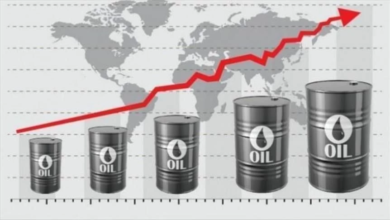

Global markets are experiencing sharp declines and significant volatility amid growing fears of a new wave of inflation that could derail hopes for a global economic recovery. Global stocks have suffered widespread losses, coinciding with a dramatic surge in oil prices to levels not seen in years, fueled by escalating geopolitical tensions and the ongoing conflict in the Middle East.
General context and historical background of the crisis
These developments come at a highly sensitive time for the global economy, which is still struggling to recover from the inflationary fallout of the COVID-19 pandemic and supply chain disruptions. Historically, tensions in the Middle East have often triggered energy shocks that drive up production and transportation costs, which are immediately reflected in the prices of final commodities. Economists warn that a continuation of the current crisis could trigger a new energy shock, further complicating the task for central banks that were preparing to embark on a cycle of monetary easing and interest rate cuts.
Severe repercussions hit Asian and American markets
Asian markets, heavily reliant on energy imports, were the first to be affected by the escalating tensions. Major indices suffered sharp declines; Japan's Nikkei 225 fell by 5.2%, and South Korea's Kospi dropped by nearly 6%. Hong Kong's Hang Seng index declined by 1.6%, China's Shanghai Composite index fell by 0.7%, and Taiwanese markets lost approximately 4.4% of their value. This widespread decline clearly reflects investors' concerns about the potential impact of the war on economic growth across Asia.
Wall Street was not immune to these intense pressures; futures contracts for the Standard & Poor's 500, Nasdaq Composite and Dow Jones Industrial Average fell by more than 1%, thus continuing the series of losses recorded by the American markets at the end of last week, affected by investors moving towards safe havens.
Europe records its worst weekly performance
Across Europe, the wave of volatility hit markets hard, with the pan-European STOXX 600 index falling 2.34% to its lowest level in over two months, marking its worst weekly performance in nearly a year. Shares in the banking, technology, and aviation sectors suffered significant losses, with major airlines like Lufthansa and Air France dropping by as much as 5% due to expectations of rising jet fuel costs. Conversely, and as a natural reaction to these events, energy and defense companies benefited from the crisis, with their shares rising considerably.
Regional and local impact: Currency crisis and emerging markets
In currency markets, uncertainty has strengthened the US dollar as a safe haven. The dollar rose against the Japanese yen to around 158.46 yen, while the euro also saw a slight increase against the dollar. Emerging markets, however, were most affected, with their currencies experiencing significant volatility. Regionally, the dollar continued its rise against the Egyptian pound, nearing the 53-pound mark, amid serious concerns about foreign investors withdrawing from government debt instruments (hot money).
Economic reports indicate that these developments are putting severe pressure on financial markets in energy-importing countries, which are now facing a double threat of rising import costs and a widening trade deficit, threatening their domestic financial stability.
International impact: Bonds and persistent inflation concerns
The turmoil wasn't limited to stocks and currencies; it extended to global bond markets. Bond prices fell in many countries, driving up yields as a direct result of inflationary concerns. Government bond yields rose in Australia and Japan, and the yield on two-year US Treasury bonds also climbed. This increase reflects a fundamental reassessment by investors of global interest rate expectations.
After markets had been pricing in and expecting the US Federal Reserve (the central bank) to begin cutting interest rates by mid-year, inflation data and current tensions have pushed back those expectations to at least September. This delay means borrowing costs will remain high for a longer period, putting additional pressure on businesses and limiting the prospects for global economic growth in the foreseeable future.