Global oil stockpiles being withdrawn: Will they fill the gap left by the closure of the Strait of Hormuz?

Global supply crisis and the intervention of the International Energy Agency
Global oil markets have recently witnessed unprecedented and dramatic developments, with the International Energy Agency announcing the largest release of strategic petroleum reserves in its half-century history. Despite this massive intervention, oil prices surged by more than 17%, with Brent crude, the global benchmark, closing above $100 a barrel for the second consecutive session. This rise reflects the deep anxiety gripping global markets.
The Strait of Hormuz gap and the impact of geopolitical tensions
According to a report published by CNBC and reviewed by Al Arabiya Business, the release of emergency oil stockpiles will take considerable time to fully implement. More importantly, the announced amount remains far below the enormous supply gap caused by the closure of the strategic Strait of Hormuz. The oil market sent a clear signal this week that the massive release of oil from stockpiles by the United States and its allies is insufficient to counter the unprecedented supply disruption resulting from military tensions and a potential war with Iran.
Details of the international emergency plan
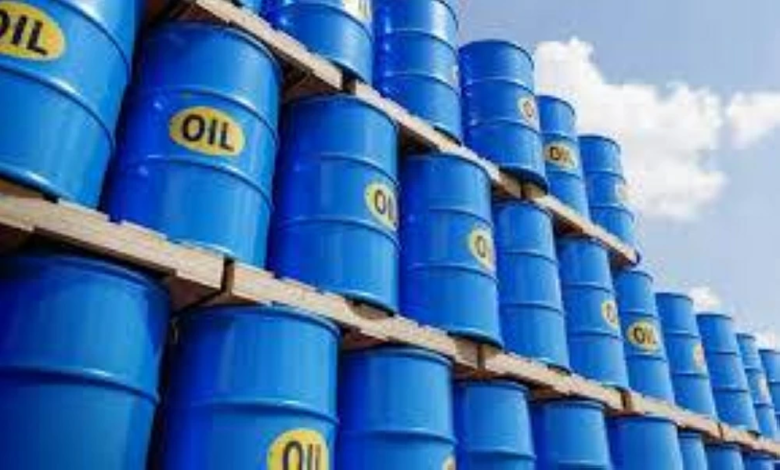
In an effort to contain the crisis, more than 30 countries in Europe, North America, and Northeast Asia agreed to release 400 million barrels of oil into the market to curb soaring prices. The United States is leading the charge, releasing 172 million barrels from its strategic petroleum reserve, representing about 43% of the total amount authorized by the International Energy Agency (IEA). This move marks the largest release of oil reserves in the history of the IEA, which was established primarily to ensure energy security for its member countries during global crises.
Historical context: Energy Agency and emergency stockpiles
To understand the scale of this event, we must look back at the historical context. The International Energy Agency (IEA) was founded in 1974 in response to the 1973 oil crisis, with the primary goal of coordinating the response of consuming nations to supply disruptions. Historically, strategic petroleum reserves have been tapped in major crises such as the 1991 Gulf War, Hurricane Katrina in 2005, the 2011 Libyan crisis, and more recently during the Russia-Ukraine crisis. However, the current release of 400 million barrels surpasses all previous interventions, reflecting the severity of the current crisis stemming from the disruption of shipping in the Strait of Hormuz.
The strategic importance of the Strait of Hormuz and its expected impact
The Strait of Hormuz is the world's most important oil shipping route, with approximately one-fifth of the world's daily oil consumption passing through it. Closing this waterway would not only be a regional crisis but an international economic catastrophe.
- On a regional level: The economies of oil-exporting countries in the Middle East are directly affected by the halt in maritime export traffic, forcing them to look for alternative routes such as pipelines, which may not accommodate the entire production, in addition to the high costs of insurance and shipping.
- Internationally, supply shortages are triggering a wave of global inflation that is hitting both major and emerging economies. Rising energy costs are immediately reflected in transportation prices, food prices, and industrial production, threatening a global recession and placing central banks under immense pressure.
In summary: Are the current stockpiles sufficient to calm the markets?
Despite swift and coordinated international action, these measures failed to instill the desired market confidence. The continued rise in crude oil prices by more than 17% since the emergency release announcement, and Brent crude closing above $100, confirms that strategic reserves are merely a temporary fix, not a fundamental solution. Markets understand that bridging the gap created by the closure of the Strait of Hormuz requires geopolitical solutions that restore stability to the region, not simply relying on reserves that will eventually be depleted.