
These intensive efforts are an extension of previous initiatives Treatment of visual distortionThe municipality aims to remove random features and address pollutants to create an integrated and sustainable urban environment.
Inspection tours
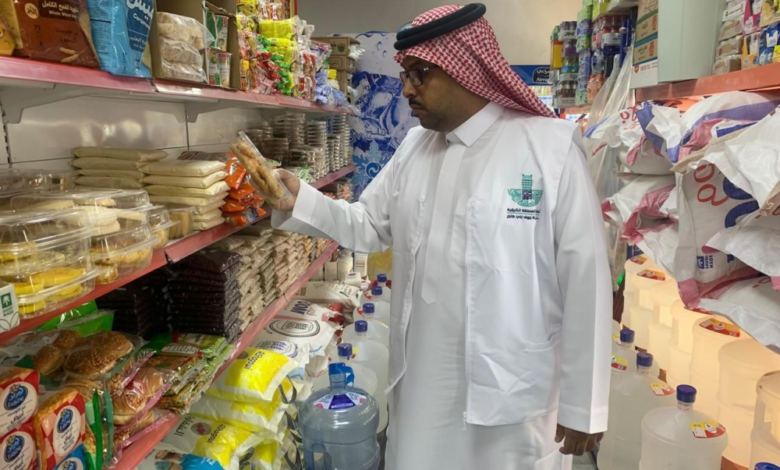
In the area of health oversight, field teams conducted more than 70 inspection tours of food establishments to verify compliance with municipal regulations and ensure food safety for consumers.
The Mayor of Jowf Bani Hajer, Engineer Khalaf Al-Mutairi, affirmed that the municipality is committed to implementing its field plans according to an institutional methodology to raise the level of compliance and enhance performance efficiency.
Monitoring and processing
Al-Mutairi explained that these efforts align with the goals of "humanizing cities" by intensifying monitoring and immediate action against all practices that negatively impact the local environment.
He noted that the municipality strictly enforces regulations and instructions against violators, and pointed out that inspection tours continue to curb the phenomenon of indiscriminate dumping of debris in public squares.
The mayor emphasized the importance of raising environmental awareness among community members and the necessity of adhering to proper waste disposal methods to maintain public cleanliness and the safety of public facilities.
Quality of services
The municipality clarified that intensifying oversight of commercial and food establishments aims to achieve the highest levels of compliance, ensuring the protection of public health and enhancing the quality of services provided.
The municipality of Jowf Bani Hajer called upon all citizens and residents to cooperate and report any violations or visual distortions through the unified reporting center "940" so that the necessary measures can be taken.