
Gold prices remain stable as a safe haven during times of crisis
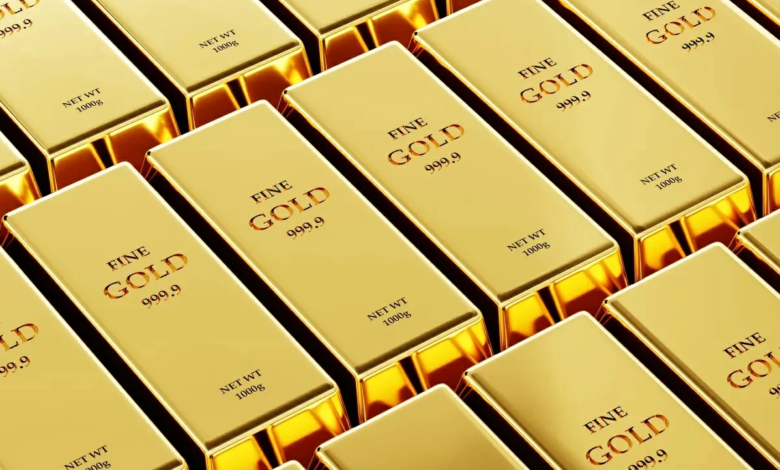
Gold prices have faced some challenges and notable volatility over the past few weeks, despite escalating geopolitical tensions in the Middle East and increasing uncertainty surrounding the global economic outlook. Despite these challenges, the precious metal has remained steadily above $5,000 an ounce. However, weak physical demand amid heightened geopolitical risks has raised many questions among investors and financial analysts about the future direction of markets and capital flows.
Historical context: Gold and global inflation waves
Historically, gold has long served as a safe haven for investors during periods of economic uncertainty and geopolitical crises. In the 1970s, oil price shocks led to unprecedented inflation, prompting investors to turn to gold to protect their wealth and purchasing power. Today, history is repeating itself in some ways, as the current market landscape is dominated by one of the biggest disruptions to global energy flows in decades. Disruptions to crude oil, gas, and refined fuel supplies from the Arabian Gulf region have led to sharp price increases across a wide range of strategic commodities, from oil and natural gas to diesel, liquefied natural gas, and agricultural fertilizers.
Expected effects: The specter of stagflation threatens the world
These sharp price movements increase the risk of a new inflationary shock hitting the global economy. This comes at a time when major economies are facing a significant slowdown in economic growth rates, creating ideal conditions for what is known economically as stagflation. Regionally, tensions in the Middle East are placing enormous pressure on supply chains and shipping, while internationally, energy-importing countries are struggling with rising production and living costs that are burdening both consumers and businesses.
If the energy shock persists at its current magnitude, it could lead to a sharp slowdown in economic activity within the world's largest energy-consuming economies, including the United States and the European Union. This slowdown would not only affect domestic markets but would also negatively impact global trade and export demand from emerging markets, potentially plunging the global economy into a recession.
The Federal Reserve's dilemma and monetary policy
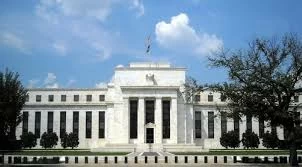
In this complex scenario, the US Federal Reserve (the central bank) faces a highly intricate dilemma in managing monetary policy. While rising energy prices could push headline inflation back up, a slowdown in economic momentum could simultaneously force policymakers to reconsider their strategies. The Fed may be compelled to prioritize supporting economic growth and averting recession, rather than maintaining tight financial conditions for extended periods.
For this reason, many economists believe that the market's assumption that the Federal Reserve will not cut interest rates in the near term may be premature. If economic activity declines significantly and signs of a genuine recession emerge, the focus of monetary policy could quickly shift toward stabilizing growth, rather than tightening the screws to combat inflation driven primarily by supply constraints rather than increased demand. In this equation, gold will remain a vital indicator reflecting the extent of investor confidence in central banks' ability to weather this economic storm with minimal losses.