Gold prices fell today as the dollar strengthened and interest rate optimism loomed

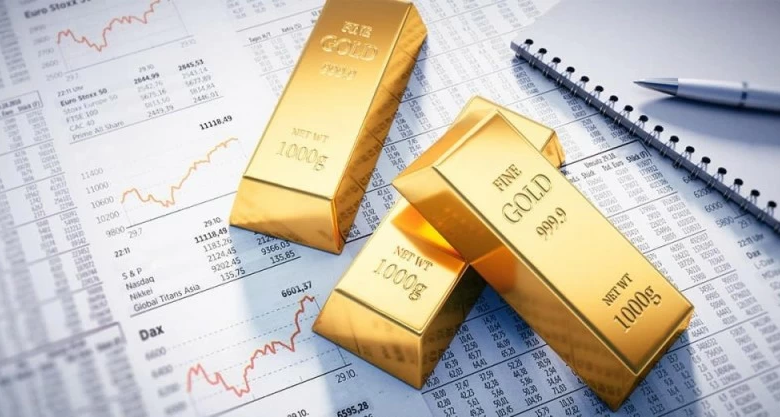
Gold prices saw a notable decline during trading on Tuesday, retreating from their highest levels of the past three weeks, pressured by a rebound in the US dollar index. This drop comes amid a climate of anticipation in global markets awaiting crucial economic data, and despite ongoing geopolitical uncertainty and the ambiguity surrounding US tariffs.
Precious metals trading details
According to available data, spot gold fell 1.5% to $5,150.38 per ounce . US gold futures (April delivery) were not immune to this decline, dropping 1.1% to settle at $5,170.70 . This decrease reflects the yellow metal's sensitivity to movements in the US dollar, as a stronger dollar has increased the cost of holding gold for investors using other currencies, thus diminishing its temporary investment appeal.
Economic context and the impact of US interest rates
These moves are particularly significant in the current economic climate, as investors and financial analysts alike are focused on the upcoming US labor market data. This data is a crucial indicator that could shape the Federal Reserve's monetary policy in the coming period. Current market expectations point to the possibility of three interest rate cuts of 25 basis points this year. It is a well-established economic principle that higher interest rates increase the opportunity cost of holding non-yielding assets like gold, and vice versa, making any signal regarding the future direction of interest rates a major driver of prices.
Performance of other metals and market effects
The decline wasn't limited to gold; the sell-off extended to other precious metals, indicating a general trend among investors to take profits or rebalance their portfolios. Silver saw a sharp drop of 3.1% to $85.50 , while platinum fell 2.9% to $2,092.31 . Palladium also declined by 2.1% to $1,706.50 per ounce .
Geopolitical dimensions and future prospects
Despite the current downward pressure, gold remains a long-term safe haven, especially given global geopolitical tensions and uncertain trade policies related to tariffs. Experts believe the current volatility is part of a natural market correction cycle, and that future trends will depend heavily on the US economy's ability to achieve a smooth recovery, as well as developments in the international trade landscape.