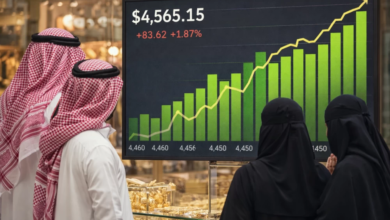

شهدت أسواق المعادن الثمينة تحولات ملحوظة خلال تعاملات اليوم، حيث انخفضت أسعار الذهب بشكل ملموس متأثرة بالارتفاع القوي الذي سجله الدولار الأمريكي. وجاء هذا التحرك عقب صدور بيانات الوظائف لشهر يناير الماضي، والتي جاءت أقوى من التوقعات، مما ألقى بظلاله على قرارات السياسة النقدية المرتقبة وأدى إلى تراجع التوقعات بشأن خفض أسعار الفائدة في المدى القريب.
تفاصيل حركة الأسعار في الأسواق العالمية
في تفاصيل التداولات، هبط الذهب في المعاملات الفورية بنسبة 0.34% ليصل إلى مستوى 5,072.22 دولار للأوقية، وذلك بعد أن كان قد اختتم تعاملات الجلسة الماضية على ارتفاع تجاوز 1%. وفي سياق متصل، خسرت العقود الأمريكية الآجلة للذهب تسليم شهر أبريل القادم ما نسبته 0.2% لتستقر عند 5,087.30 دولار للأوقية. يعكس هذا التراجع حساسية المعدن الأصفر تجاه قوة العملة الأمريكية، حيث ارتفع مؤشر الدولار مدعوماً بتقرير الوظائف الذي أشار بوضوح إلى متانة الاقتصاد الأمريكي وقدرته على توليد الوظائف رغم التحديات الاقتصادية العالمية.
السياق الاقتصادي والعلاقة بين الذهب والدولار
تاريخياً، ترتبط أسعار الذهب بعلاقة عكسية مع الدولار الأمريكي. فعندما ترتفع قيمة «الورقة الخضراء»، تزداد تكلفة حيازة الذهب بالنسبة للمستثمرين الذين يحملون عملات أخرى، مما يقلل الطلب عليه ويضغط على أسعاره للانخفاض. بالإضافة إلى ذلك، فإن بيانات الوظائف القوية تعزز من احتمالية استمرار البنك الفيدرالي الأمريكي في تبني سياسات نقدية متشددة أو تأجيل خفض أسعار الفائدة، وهو ما يرفع من «تكلفة الفرصة البديلة» لحيازة الذهب الذي لا يدر عائداً دورياً مقارنة بالسندات أو الودائع الدولارية.
بيانات سوق العمل وتأثيرها المستقبلي
أظهرت البيانات تسارع نمو الوظائف في الولايات المتحدة على غير المتوقع في الشهر الماضي، حيث انخفض معدل البطالة إلى 4.3%. ومع ذلك، فإن القراءة المتفحصة للأرقام تشير إلى ضرورة الحذر، حيث أظهرت المراجعات أن الاقتصاد أضاف 181 ألف وظيفة فقط في عام 2025، بدلاً من التقديرات السابقة التي كانت تشير إلى 584 ألف وظيفة. هذه المراجعات قد تعطي صورة أكثر واقعية عن سوق العمل، إلا أن رد الفعل الأولي للسوق كان لصالح الدولار.
توقعات المحللين وترقب بيانات التضخم
علق كريستوفر وانج، المحلل المالي المتخصص، على هذه التطورات قائلاً: «ربما كان لتقرير الوظائف القوي الذي أدى إلى تراجع طفيف في توقعات خفض أسعار الفائدة دور رئيسي في حركة الذهب الضعيفة». وتتجه أنظار المستثمرين حالياً صوب بيانات التضخم المقرر صدورها غداً، والتي ستكون حاسمة في تشكيل التوقعات المستقبلية للسياسة النقدية وتحديد مسار أسعار الذهب في الفترة المقبلة، سواء على الصعيد المحلي أو الدولي.