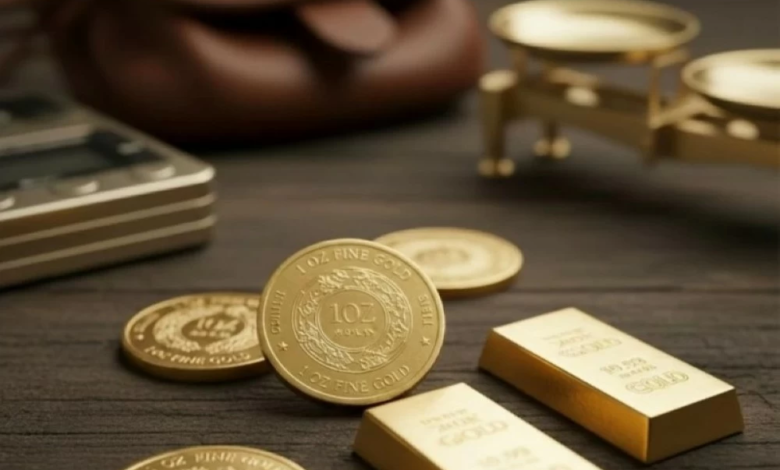

Gold prices continued their historic climb, shattering all previous expectations, as both the precious metal and silver surged to new record highs by the end of trading on Friday. This dramatic rise is fueled by a massive surge in demand for safe-haven assets, coinciding with growing investor bets that the US Federal Reserve will cut interest rates again next year.
New record highs in global markets
In trading details, spot gold rose 0.5% to $4,502.75 an ounce , after hitting an all-time high of $4,530.60 earlier in the session. Futures contracts followed suit, with U.S. gold futures for February delivery climbing 0.7% to settle at a new record high of $4,533.60 an ounce .
The rise was not limited to gold alone, but other precious metals also witnessed a remarkable recovery, with silver recording record levels, accompanied by a tangible rise in the prices of platinum and palladium, reflecting a general sense of optimism in the precious metals sector.
Economic factors driving prices
This historic surge is primarily attributed to the traditional inverse relationship between gold and US interest rates. When expectations of interest rate cuts increase, the opportunity cost of holding gold, which does not generate interest, decreases, making it more attractive to investors compared to bonds or bank deposits. Furthermore, lower interest rates typically put downward pressure on the value of the US dollar, making dollar-denominated gold cheaper for holders of other currencies, thus increasing demand and driving up the price.
Gold as a safe haven amid tensions
Historically, investors have turned to gold during times of economic and political uncertainty. Analysts point out that breaking the $4,500 per ounce barrier represents a significant psychological and technical shift in financial markets, underscoring continued market confidence in the precious metal as a hedge against inflation and currency volatility. This price level reflects underlying concerns in the global economy, prompting major capital to seek safe havens.
The impact of new prices on markets
This surge is expected to have repercussions for jewelry and physical investment markets, as the higher price could dampen consumer demand in emerging markets, while simultaneously increasing the appetite of central banks and hedge funds to bolster their gold reserves as part of their asset diversification strategies. Gold's stability above $4,500 marks the beginning of a new phase that could reshape the commodity investment landscape in the coming period.