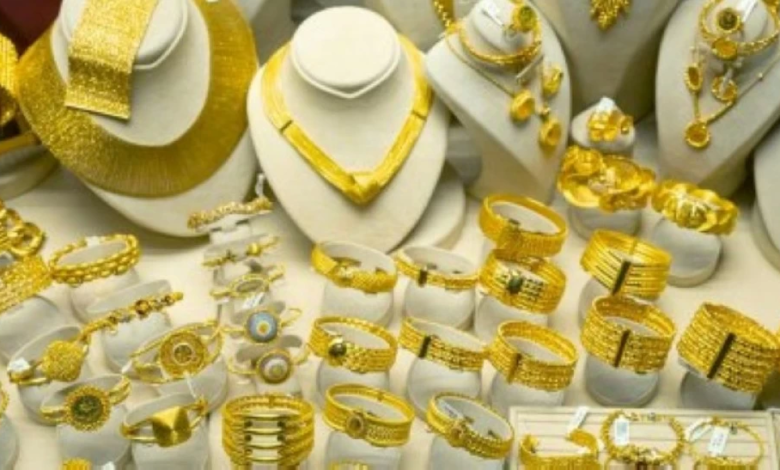

The gold market in Saudi Arabia has witnessed radical shifts in recent days, directly influenced by the price surges of the precious metal on global exchanges. These record highs, accompanied by sharp fluctuations, have impacted buying and selling activity in local markets, creating a sense of anticipation and anxiety among both consumers and traders.
During a field survey conducted by Okaz newspaper in Jeddah's markets, a clear disparity in shopper behavior was observed. A large segment of consumers preferred to refrain from purchasing at present, awaiting price stabilization or a decrease. Others, however, flocked to the markets not to buy, but to sell their gold jewelry and bullion, taking advantage of historically low prices to obtain cash to cover their needs. Conversely, those compelled to purchase gold for social occasions found themselves with very limited options. Many explained that they settled for buying lightweight pieces such as necklaces or thin bracelets, as the prices of complete sets had become beyond their purchasing power.
In terms of figures that reflect the reality of the market, the price of an ounce of gold in Jeddah markets recorded astronomical figures, while the price of one gram reached about 603.37 riyals, and the price of a kilogram of gold reached a record high of more than 607,266 riyals, which explains the state of relative stagnation in sales of heavy pieces.
From an economic perspective, this rise comes within a complex global context, where gold has historically been considered a "safe haven" for investors and countries during periods of economic uncertainty and geopolitical tensions. Gold's price increases are typically linked to factors such as global inflation rates, major central bank interest rate decisions, and fluctuations in the US dollar exchange rate. This close correlation means that the Saudi market, like other open markets, is immediately affected by any shocks in the global economy.
On a social level, these prices pose new challenges for those about to marry in the Kingdom and the Arab region in general, as gold is an essential part of the dowry and wedding traditions. This reality may lead to changes in consumer habits, such as a shift towards less expensive gold karats or settling for symbolic pieces, a trend already evident in the preference of buyers for a simple bracelet as the only affordable gift amidst this soaring price surge.