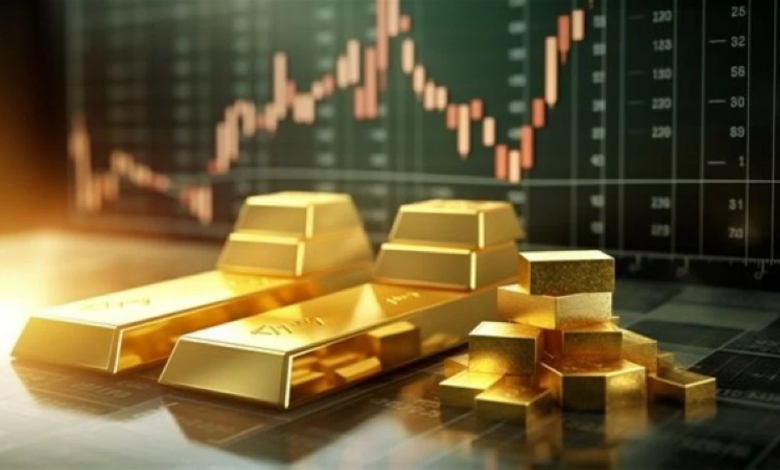

In an unprecedented event in the financial markets, gold shattered all psychological and technical barriers, surpassing $4,500 per ounce today and reaching its highest level ever. This meteoric rise reinforces the precious metal's status as the world's most important safe haven amidst current economic shifts.
New record highs in the metals market
According to spot trading data, gold rose by approximately 0.4% to $4,503.59 per ounce, after hitting an all-time high of $4,509.65 earlier in the session. The gains weren't limited to spot trading; US gold futures (February delivery) also jumped 0.7% to settle at a record high of $4,540.60 per ounce, reflecting investor optimism about the continuation of the upward momentum.
A collective recovery in other metals
Gold wasn't the only winner in this rally; silver also reached record highs, rising 0.5% in spot trading to $71.80 an ounce, after peaking at $71.85. In the industrial and precious metals sector, platinum saw a significant jump of 2.9% to $2,342.25 an ounce, reaching an all-time high of $2,347.40. Palladium also joined the gains, rising nearly 3% to $1,919.69 an ounce, its highest level in three years.
The economic context and the importance of the event
This dramatic surge in precious metal prices reflects a state of anxiety in global markets, where investors typically turn to gold and silver as hedges against inflation and currency volatility. Historically, gold's rise to record highs has been linked to geopolitical tensions or global monetary policies that lead to the devaluation of major currencies, making tangible assets the preferred choice for preserving wealth.
Expected impacts locally and globally
This surge is expected to have repercussions across several sectors. In industry, the higher prices of silver, platinum, and palladium could increase production costs in the electronics and automotive industries (particularly catalytic converters). Consumerly, the jewelry market may experience a temporary slowdown in demand due to the exceptionally high prices. Meanwhile, central banks and investment funds holding substantial gold reserves will benefit from the revaluation of their assets, bolstering their balance sheets in the face of economic challenges.