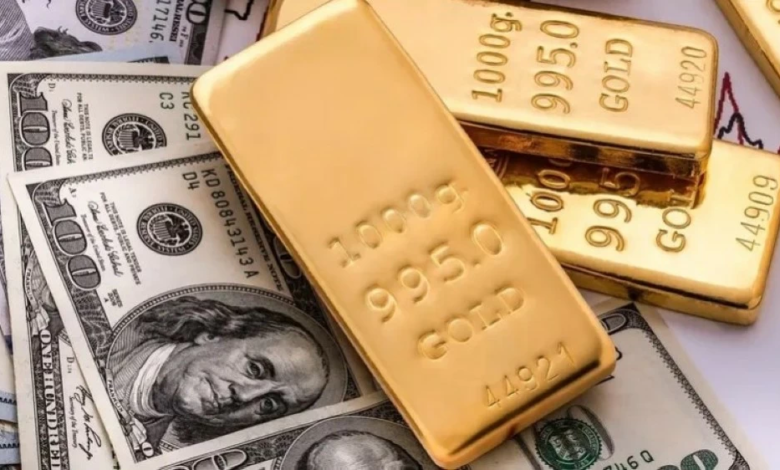


Global financial markets witnessed dramatic shifts today, with gold and silver prices experiencing sharp and unprecedented declines amid a widespread sell-off that gripped investor sentiment. These steep drops coincided with increasing pressure on precious metals, driven by the US dollar index rising to its highest level in nearly two weeks, making dollar-denominated metals more expensive for holders of other currencies.
Details of the price drop in precious metals
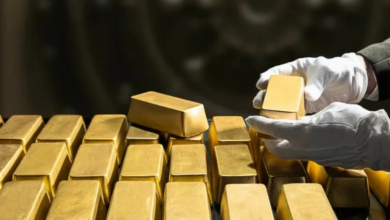
In trading details, gold fell 1.7% to $4,876.12 per ounce . The yellow metal wasn't the only casualty in this turbulent session; silver suffered even steeper losses, with spot prices plummeting a staggering 12.4% to settle at $77.09 per ounce , reflecting a wave of panic selling in the white metals markets.
Other industrial and precious metals were not spared from this downward trend; platinum fell 7.7% to $2,056.64 per ounce , while palladium dropped 5% to $1,689.25 . These figures clearly indicate a mass exodus of liquidity from the commodities sector towards safe-haven assets, primarily the US dollar.
The economic context and the inverse relationship with the dollar
To understand the background of this event, one must consider the historical inverse relationship between the US dollar and precious metals. Gold and silver are dollar-denominated commodities, so any rise in the value of the US currency automatically puts downward pressure on the prices of these metals. The current rise of the dollar reflects market expectations of continued tight monetary policies or strong economic data that have enhanced the greenback's appeal as a yield-bearing investment vehicle, compared to gold, which does not generate periodic returns (interest).
Importance and expected impact on markets
This decline carries profound economic implications that go beyond mere daily price movements:
- On the industrial front: The sharp decline in silver and platinum prices is a worrying indicator for the industrial sector, given the heavy use of these metals in the electronics and automotive industries. This drop may reflect investor concerns about a slowdown in global economic growth and a decline in industrial demand in the coming period.
- From an investor's perspective: This decline presents individual and institutional investors with two options; either to consider current prices as an opportunity to buy at the bottom (Buy the Dip) in anticipation of a future rebound, or to continue liquidating assets to cover other financial positions, which may open the door to further price correction.
- Local and regional impact: These global prices will be immediately reflected in local markets in the Arab region, where gold markets are expected to witness a significant decrease in the prices of gold jewelry and bullion, which may stimulate consumer demand that has been suffering from stagnation due to previous record highs.
In conclusion, markets remain on tenterhooks for upcoming economic data that will determine whether this decline is merely a temporary correction in an upward trend, or the beginning of a radical shift in the super-commodity cycle.