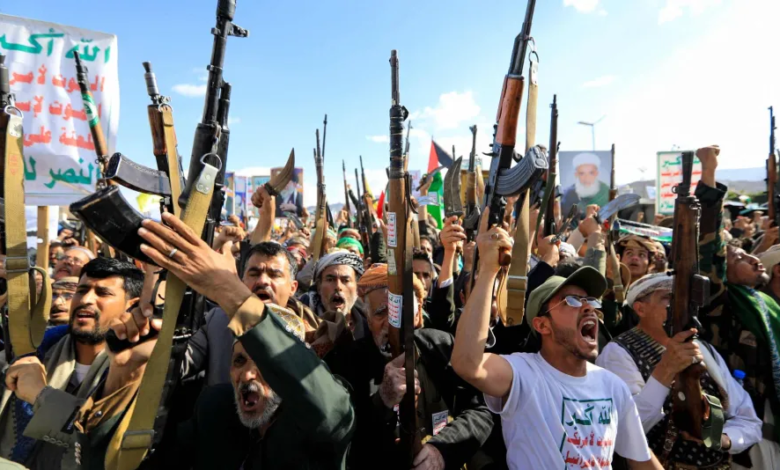

في خطوة نادرة وجريئة، كسر قيادي بارز في حزب المؤتمر الشعبي العام بمحافظة إب حاجز الصمت، معبراً عن غضب شعبي متنامٍ من ممارسات الفساد الممنهج التي تنتهجها جماعة الحوثي في المناطق الخاضعة لسيطرتها. ويأتي هذا الموقف العلني ليكشف عن عمق التصدعات الداخلية وحالة السخط التي تسود بين السكان، وحتى داخل الدوائر السياسية التي كانت متحالفة مع الجماعة في السابق.
خلفية الصراع والتحالف الهش
لفهم أبعاد هذا الحدث، لا بد من العودة إلى السياق التاريخي للعلاقة المعقدة بين حزب المؤتمر الشعبي العام وجماعة الحوثي. بعد تحالفهما للإطاحة بالحكومة المعترف بها دولياً في عام 2014، سرعان ما ظهرت الخلافات العميقة بين الطرفين، والتي بلغت ذروتها بمقتل الرئيس السابق علي عبد الله صالح، زعيم حزب المؤتمر، على يد الحوثيين في ديسمبر 2017. منذ ذلك الحين، يعيش أعضاء وقيادات المؤتمر في مناطق سيطرة الحوثيين تحت ضغط هائل، بين الإقصاء أو السجن أو الصمت القسري. لذا، فإن أي انتقاد علني من شخصية “مؤتمرية” يُعتبر مؤشراً خطيراً على وصول حالة الاحتقان إلى نقطة اللاعودة.
مظاهر الفساد في مناطق سيطرة الحوثيين
تتعدد أشكال الفساد الذي تمارسه جماعة الحوثي، والذي أصبح السمة الأبرز لإدارتها للمناطق التي تسيطر عليها. تشمل هذه الممارسات فرض جبايات وإتاوات غير قانونية على التجار والمواطنين تحت مسميات مختلفة مثل “دعم المجهود الحربي”، والاستيلاء على الأراضي والممتلكات الخاصة والعامة، والتحكم في السوق السوداء للمشتقات النفطية والمواد الغذائية، بالإضافة إلى نهب المساعدات الإنسانية وتحويلها لصالح قادتها ومقاتليها. وقد أدت هذه السياسات إلى تدهور كارثي في الأوضاع المعيشية والاقتصادية، وتسببت في إفقار ممنهج للمجتمع، بينما تتراكم الثروات في أيدي طبقة جديدة من أمراء الحرب المرتبطين بالجماعة.
الأهمية والتأثيرات المتوقعة
يحمل هذا الغضب العلني دلالات مهمة على عدة مستويات. محلياً، قد يشجع هذا الموقف أطرافاً أخرى على كسر حاجز الخوف والتعبير عن رفضها لممارسات الحوثيين، مما قد يؤدي إلى اتساع رقعة الرفض الشعبي. إقليمياً ودولياً، يقدم هذا الحدث دليلاً إضافياً للمجتمع الدولي والمنظمات الحقوقية على طبيعة حكم جماعة الحوثي القائم على القمع والفساد، مما يضعف موقفها في أي مفاوضات سياسية مستقبلية. كما أنه يفضح هشاشة الجبهة الداخلية للجماعة، ويؤكد أن سيطرتها لا تستند إلى حاضنة شعبية حقيقية، بل إلى القوة العسكرية والقبضة الأمنية الصارمة. إن استمرار هذا النهج من الفساد لا يؤدي فقط إلى إطالة أمد الحرب، بل يقوض أي فرصة لتحقيق سلام عادل ومستدام في اليمن.