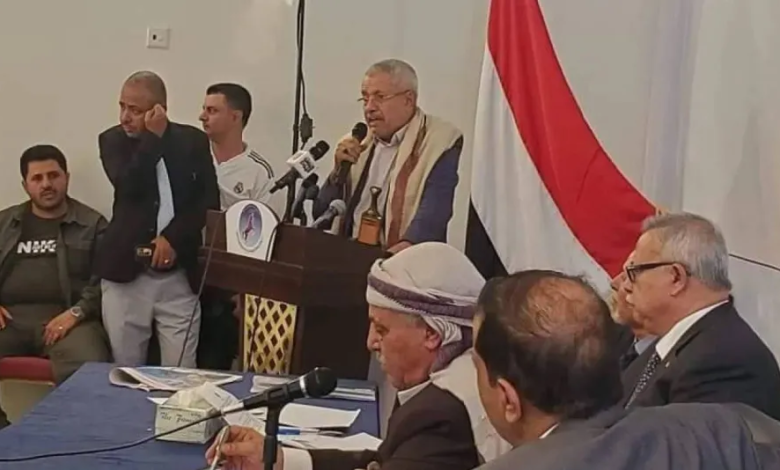

في تطور جديد يعكس عمق الأزمة السياسية في المناطق الخاضعة لسيطرة جماعة الحوثي، كشفت مصادر مطلعة عن رضوخ قيادة حزب المؤتمر الشعبي العام (جناح صنعاء) لسلسلة من الإملاءات والقرارات الجديدة التي فرضتها الجماعة. يأتي هذا الإجراء في سياق مساعي الحوثيين المستمرة لإحكام قبضتهم الكاملة على ما تبقى من مؤسسات الدولة والهياكل الحزبية التي كانت شريكة في السلطة سابقاً، مما يفرغ العمل السياسي في صنعاء من مضمونه الحقيقي.
سياق الهيمنة وتفكيك الشراكة الصورية
لا يمكن قراءة هذا الرضوخ الجديد بمعزل عن السياق التاريخي والسياسي الذي تشكل عقب أحداث ديسمبر 2017، والتي انتهت بمقتل الرئيس السابق علي عبد الله صالح، مؤسس الحزب، على يد حلفائه الحوثيين. منذ ذلك الحين، تعرض حزب المؤتمر في صنعاء لعمليات تجريف ممنهجة، شملت مصادرة المقرات، وتجميد الأرصدة، وفرض الإقامة الجبرية على بعض القيادات، بينما اضطر آخرون للفرار إلى مناطق الشرعية أو خارج اليمن. وقد تحولت العلاقة بين الطرفين من “تحالف ضرورة” إلى علاقة تبعية مطلقة، حيث يستخدم الحوثيون غطاء الحزب لإضفاء شرعية شكلية على سلطتهم.
طبيعة الإملاءات الجديدة وتأثيرها
تشير المعلومات إلى أن الإملاءات الجديدة تتضمن تغييرات في الهيكل التنظيمي للحزب وتعيين شخصيات موالية للجماعة في مفاصل حساسة، بالإضافة إلى تبني مواقف سياسية وإعلامية تتماشى كلياً مع الخطاب الحوثي، حتى في القضايا التي كانت تمثل سابقاً نقاط خلاف جوهرية. يرى مراقبون أن هذه الخطوات تهدف إلى إنهاء أي صوت معارض أو متباين داخل صنعاء، وتحويل حزب المؤتمر العريق إلى مجرد واجهة ديكورية تخدم أجندة الجماعة العقائدية والسياسية.
التداعيات على المشهد السياسي اليمني
يحمل هذا التطور دلالات خطيرة على مستقبل العملية السياسية في اليمن. فإضعاف حزب المؤتمر في صنعاء وسلبه قراره المستقل يعني القضاء على آخر قنوات التواصل الممكنة مع القوى السياسية المعتدلة في الداخل. كما أن هذا الرضوخ يعزز من حالة الانقسام داخل الحزب الواحد، حيث تتوزع ولاءات كوادره بين صنعاء والرياض والقاهرة وأبوظبي، مما يعقد جهود توحيد الصف الجمهوري لمواجهة المشروع الحوثي. محلياً، يؤكد هذا الحدث أن الحوثيين لا يؤمنون بالشراكة السياسية الحقيقية، وأن استراتيجيتهم تقوم على الاستحواذ الكامل وإقصاء الآخرين، وهو ما يلقي بظلال قاتمة على أي جهود دولية أو أممية تسعى لإحياء مسار السلام القائم على التعددية والتوافق الوطني.