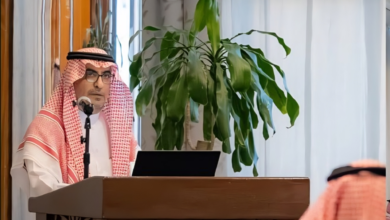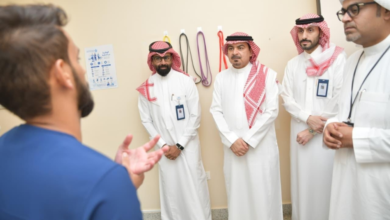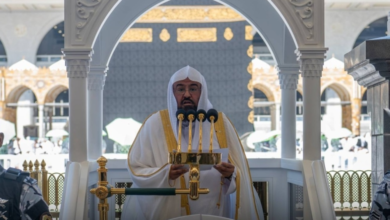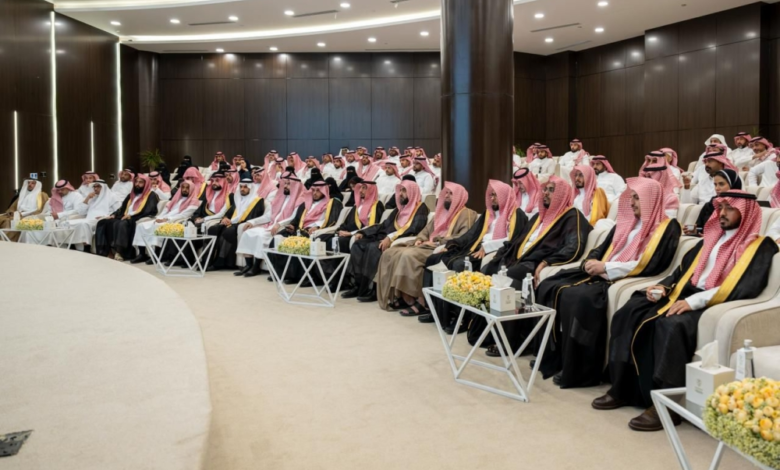

تنظم وزارة الحج والعمرة بالمملكة العربية السعودية، بالتعاون والتنسيق مع هيئة كبار العلماء، غداً الأربعاء في مدينة جدة، فعاليات النسخة الخمسين من “ندوة الحج الكبرى”. وتنعقد هذه النسخة الاستثنائية تحت عنوان “الندوة منصة فاعلة في خدمة ضيوف الرحمن.. نصف قرن من الإثراء المعرفي”، وسط مشاركة واسعة ونخبوية تضم أصحاب المعالي والفضيلة، ونخبة من كبار العلماء والمفكرين والباحثين والمتخصصين من مختلف دول العالم الإسلامي.
السياق التاريخي: نصف قرن من العطاء المعرفي
تعود الجذور التاريخية لندوة الحج الكبرى إلى عام 1397هـ الموافق 1977م، حيث انطلقت لتكون منصة فكرية وعلمية رائدة تجمع علماء الأمة الإسلامية في موسم الحج. على مدار خمسة عقود، لعبت الندوة دوراً محورياً في مناقشة القضايا الفقهية والشرعية المستجدة، وتقديم حلول عملية تواكب التطورات الزمنية وتيسر أداء المناسك على الحجاج. وتمثل الدورة الخمسون محطة توثيقية هامة تبرز التحولات الجذرية التي شهدتها منظومة الحج، مسلطة الضوء على أربعة مسارات رئيسية تشمل: خدمات ضيوف الرحمن، التأصيل والتوعية، المعرفة والبحث العلمي، والذاكرة التاريخية للندوة.
الأهمية الاستراتيجية وتأثير الحدث محلياً ودولياً
تكتسب ندوة الحج الكبرى أهمية بالغة على المستويات المحلية والإقليمية والدولية. فعلى الصعيد المحلي، تتناغم أهداف الندوة بشكل مباشر مع “برنامج خدمة ضيوف الرحمن”، أحد أهم برامج رؤية السعودية 2030، والذي يهدف إلى إحداث نقلة نوعية في تجربة الحاج والمعتمر. أما على الصعيدين الإقليمي والدولي، فتعد الندوة جسراً للتواصل الثقافي والفكري بين شعوب العالم الإسلامي، حيث تسهم في توحيد الخطاب الديني والتوعوي، وتعزيز قيم التسامح والوسطية، وتقديم صورة مشرقة عن الجهود التنظيمية الضخمة التي تبذلها المملكة لإدارة أكبر تجمع بشري سنوي في العالم، مع إيجاد حلول فقهية موحدة للتحديات المعاصرة.
التحول الرقمي وتوظيف التقنية في الحج
من أبرز المحاور التي تتناولها جلسات الندوة هذا العام هو استعراض دور التقنية والابتكار والبيانات الحديثة في رفع كفاءة التشغيل. فقد شهدت السنوات الأخيرة إدخال تقنيات الذكاء الاصطناعي، والبطاقات الذكية، ومنصات رقمية متكاملة مثل منصة “نسك”، مما أسهم في تسهيل الإجراءات وإدارة التفويج والحركة داخل المشاعر المقدسة بدقة متناهية. وتناقش ورش العمل المصاحبة آليات تطوير التنسيق والتواصل التوعوي، واستشراف مستقبل خدمات الحج لضمان الانسيابية والسلامة، ومناقشة دور الأنظمة الصحية والتنظيمية في الوقاية من المخاطر مثل الإجهاد الحراري.
تطوير النماذج التشغيلية: مشروع الهدي والأضاحي
إلى جانب الجوانب الفقهية والتقنية، تفرد الندوة مساحة واسعة لمناقشة النماذج التشغيلية الحديثة المرتبطة بخدمة الحجاج. من أهم هذه النماذج رفع كفاءة توزيع الهدي والأضاحي، وهو مشروع إسلامي ضخم تديره المملكة بالتعاون مع البنك الإسلامي للتنمية، ويهدف إلى تعظيم الاستفادة من لحوم الهدي والأضاحي وتوزيعها على المستحقين في عشرات الدول حول العالم. يعكس هذا التوجه حرص القيادة على تطوير الأداء المؤسسي، ورفع جودة الخدمات المقدمة، وتحقيق التكافل الاجتماعي الإسلامي بأبهى صوره.
في الختام، يمثل انعقاد هذه الندوة في يوبيلها الذهبي تأكيداً على التزام المملكة العربية السعودية الراسخ بتسخير كافة الإمكانات العلمية والمادية لخدمة ضيوف الرحمن، ودعم التكامل بين الأبعاد الشرعية والتنظيمية والخدمية، لضمان رحلة إيمانية آمنة وميسرة لكل حاج.