Gates of the Grand Mosque in Ramadan: A map of entry for pilgrims and worshippers

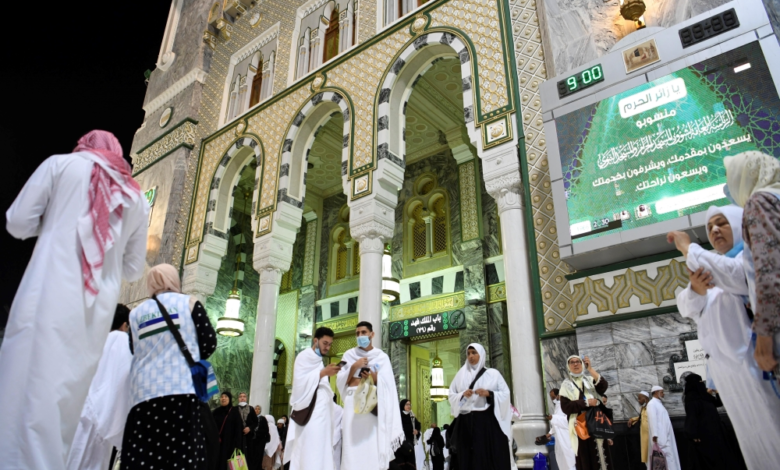
With the arrival of the holy month of Ramadan, the eyes of Muslims from around the world turn towards Mecca, where the Grand Mosque witnesses a massive influx of pilgrims and worshippers seeking spiritual reward during this blessed month. As part of extensive preparations to ensure the smooth flow of movement and the safety of the pilgrims, the relevant authorities have announced the allocation of specific gates and pathways for entry and exit, within a comprehensive operational plan aimed at managing crowds with high efficiency.
The importance of organization and density distribution in the Grand Mosque of Mecca
The organization of the gates at the Grand Mosque is of paramount importance, especially given the historic expansions of the Holy Mosque in Mecca, which have significantly increased its capacity. This precise layout aims to separate the paths of pilgrims performing Umrah from those of worshippers, preventing crowding and congestion in the circumambulation area (Mataf) and the area between Safa and Marwa (Mas'a), thus ensuring a safe and smooth spiritual journey. This organization aligns with the Kingdom of Saudi Arabia's efforts to serve the guests of God and achieve the goals of Vision 2030 in accommodating the growing numbers of Hajj and Umrah pilgrims.
Gates and bridges designated for pilgrims
Main entrances have been designated for pilgrims to ensure their direct access to the circumambulation area, namely:
- King Abdulaziz Gate (No. 1): One of the main and important entrances.
- King Fahd Gate (No. 79): Serves those coming from the western courtyards.
- The Umrah Gate: The traditional and historical entrance for pilgrims.
- Bab Al-Salam (No. 19): To enter towards the Sa’i.
- Entrance bridges: Al-Shabika Bridge (No. 64 - First Floor), and Ajyad Bridge (No. 7 - First Floor).
Doors and pathways designated for worshippers
To facilitate access for worshippers to the inner prayer areas and upper floors away from the circumambulation paths, the following has been determined:
- Bridges and stairs: These include Ajyad Bridge, Marwa Bridge, Safa Bridge, in addition to Al-Arqam stairs, stairs 74, stairs 84, and stairs 91.
- Ground floor doors: A group of doors was allocated, including: 69, 70, 71, 72, 73, 89, 90, 114, 121, and 123.
Services for women and people with disabilities
In order to ensure privacy and provide comfort, specific entrances have been designated for women's prayer areas and for people with disabilities:
- Women's prayer rooms: Accessible via doors: 70, 85, 86, 87, and 89.
- People with disabilities: Special pathways have been provided through the gates: 68, 69, 89, 93, 94, 114, and 123. Bridges equipped for wheelchairs have also been provided, such as the Marwa Bridge, the Shubaika Wheelchair Bridge, the Ajyad Bridge, and the Safa Bridge.
Organizing funerals and emergencies
To ensure uninterrupted service, separate entrances were designated for other services:
- For funerals: Door No. 7 (for entering the funeral prayer area), and Door No. 5 (for exiting).
- For emergencies: Doors 13 and 14 are reserved for emergencies only.
The relevant authorities urge all visitors to the Grand Mosque to adhere to the directional signs and instructions of security personnel and supervisors, as this commitment contributes to providing a safe and comfortable worship environment for everyone during the days of the holy month.