Imam of the Grand Mosque: Ramadan is a month of work and worship, not laziness

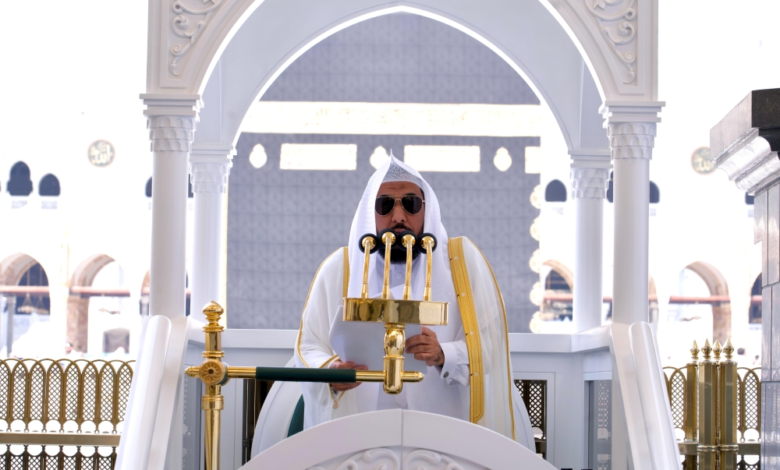
During his Friday sermon at the Grand Mosque in Mecca, Sheikh Dr. Abdullah bin Awad Al-Juhani, Imam and Khateeb of the Grand Mosque, emphasized that the blessed month of Ramadan is a season of diligence and striving, not a time for laziness or inactivity. He explained that God Almighty has bestowed special honor and distinction upon this month, making fasting obligatory and one of the pillars of Islam. He described it as a month of abundant blessings and good deeds, during which good works are multiplied and the gates of Paradise are opened.
Historical background: Ramadan in the guidance of the Prophet
In discussing how to welcome the holy month, Sheikh Al-Juhani reviewed the historical and practical aspects of the Prophet Muhammad's (peace be upon him) and his noble companions' lives during Ramadan. During the Prophet's era, this month served as a launching pad for calling people to God, organizing the affairs of the Muslim community, and reforming society. Fasting was not an obstacle to great achievements; rather, it was a driving force behind them. Islamic history testifies that some of the greatest victories and transformations, such as the Battle of Badr and the Conquest of Mecca, occurred during Ramadan, thus refuting the misconceptions that link fasting to decreased productivity or daytime sleepiness.
The purposes of fasting and its educational impact
The Imam of the Grand Mosque in Mecca emphasized that the ultimate goal of fasting is to achieve piety, citing the verse: "Indeed, Allah only accepts from the righteous." He pointed out that fasting is an educational institution that refines and purifies the soul. It is not merely about abstaining from food and drink, but rather about abstaining from all sins with one's limbs. He urged Muslims to refrain from lying, backbiting, and slander, to lower their gaze from what is forbidden, and to avoid injustice, cheating, and deception. He stressed that whoever does not give up false speech and acting upon it, Allah has no need for them to abstain from food and drink.
Seizing opportunities for acts of worship
Sheikh Al-Juhani concluded his sermon with a valuable piece of advice to all Muslims: to make the most of every hour of this blessed month, day and night. The wise Muslim is the one who combines diligent work during the day with night prayers and supplications, frequently reciting the Holy Quran, engaging in remembrance of God, giving charity, and showing kindness to others. Respecting the sanctity of Ramadan requires the believer to be in a state of continuous worship, making their fast a shield that protects their faith and elevates their conduct, so that they may be among those who attain God's pleasure and are saved from Hellfire.