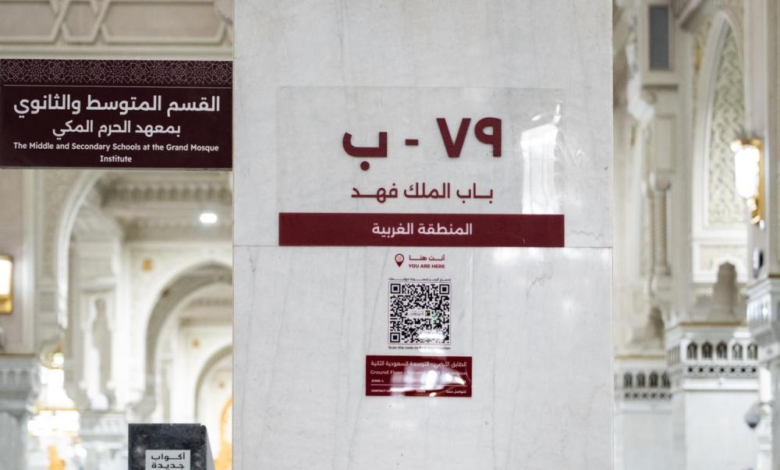

أعلنت الهيئة العامة للعناية بشؤون المسجد الحرام والمسجد النبوي عن إنجاز نوعي جديد يضاف إلى سلسلة إنجازاتها المستمرة، حيث أنهت بنجاح مشروع ترميز أعمدة المسجد الحرام جغرافياً، بالإضافة إلى دعم منطقة المسعى بـ 84 لوحة إرشادية وتوجيهية جديدة. يأتي هذا المشروع الاستراتيجي في إطار الجهود الحثيثة لتطوير منظومة الإرشاد المكاني داخل الحرم المكي الشريف، مما يسهم بشكل مباشر في تسهيل عملية الاستدلال والتنقل لقاصدي بيت الله الحرام، وتوجيه الحشود البشرية بكفاءة عالية واحترافية.
السياق العام والتطور التاريخي لعمارة المسجد الحرام
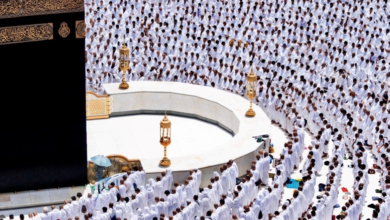
على مر التاريخ الإسلامي، حظي المسجد الحرام باهتمام بالغ وعناية فائقة. ومنذ تأسيس المملكة العربية السعودية، شهد الحرم المكي توسعات تاريخية ضخمة غير مسبوقة لاستيعاب الأعداد المتزايدة من الحجاج والمعتمرين. ومع التوسع الأفقي والعمودي الهائل في مساحات الحرم وأدواره المتعددة، برزت الحاجة الماسة إلى إيجاد حلول مبتكرة لتسهيل تنقل الزوار ومنع التكدس أو الضياع. من هنا، جاءت فكرة ترميز أعمدة المسجد الحرام كخطوة تطويرية تواكب رؤية المملكة 2030، والتي تهدف إلى تيسير استضافة 30 مليون معتمر سنوياً، وتقديم أرقى الخدمات لهم ليؤدوا مناسكهم بطمأنينة ويسر تام.
تفاصيل مشروع ترميز أعمدة المسجد الحرام واللوحات الإرشادية
أوضحت الهيئة أن المشروع في مرحلته الحالية شمل تركيب لوحات ترميز جغرافي متطورة على أعمدة المسجد الحرام في كامل الطابق الأرضي. يهدف هذا الإجراء إلى دعم آليات تقسيم المساحات الميدانية وإدارتها بشكل أكثر دقة وكفاءة. وفي سياق متصل، تم تعزيز منطقة المسعى بالكامل من خلال إضافة 84 لوحة إرشادية وتوجيهية جديدة. هذه اللوحات صُممت وفق أعلى المعايير الفنية والهندسية لضمان وضوحها التام وسهولة قراءتها من مسافات بعيدة، مع مراعاة تنوع اللغات والجنسيات لقاصدي الحرم. كما تم ربط هذه اللوحات إلكترونياً وميدانياً بالبوابات الرئيسية، والمشايات، والمعالم الحيوية داخل المسجد الحرام، من خلال تحسين الأبعاد القياسية لتتناسب مع طبيعة الحركة التدفقية والكثافة البشرية.
أهمية الحدث وتأثيره المتوقع على المستويين المحلي والدولي
يحمل هذا المشروع أهمية كبرى وتأثيراً إيجابياً واسع النطاق. على المستوى المحلي والتشغيلي، ينعكس المشروع إيجاباً على تنظيم إدارة الحشود البشرية، ويقلل من حالات التيه بين الزوار، مما يخفف العبء عن الكوادر الأمنية والتنظيمية العاملة في الميدان ويسمح بتوجيه الموارد لخدمات أخرى. أما على المستوى الإقليمي والدولي، فإن هذا التطور يبعث برسالة طمأنينة لملايين المسلمين حول العالم بأن رحلتهم الإيمانية إلى الديار المقدسة محفوفة بالعناية والرعاية. إن توفير بيئة تعبدية متميزة وآمنة تتسم بالسهولة والراحة يعزز من الصورة الذهنية الإيجابية للخدمات الجليلة التي تقدمها المملكة لضيوف الرحمن.
منظومة متكاملة لخدمة ضيوف الرحمن
ختاماً، يأتي هذا المشروع الإرشادي ضمن منظومة متكاملة من المبادرات التطويرية والتقنية التي تنفذها الهيئة العامة للعناية بشؤون الحرمين. إن التحول الرقمي والتنظيم الميداني الدقيق يمثلان ركيزة أساسية للارتقاء بمستوى الخدمات المقدمة، مما يضمن تقديم تجربة تعبدية روحانية لا تُنسى، تدمج بين أصالة المكان وحداثة التقنية لخدمة الإسلام والمسلمين في شتى بقاع الأرض.