
In a surprise move that disrupted European travel, Greek authorities announced the complete closure of their airspace and the suspension of all flights to and from Greek airports until further notice. This drastic decision came on Sunday following a sudden collapse of radio frequency and communications systems, rendering communication between air traffic control towers and aircraft impossible.
Details of the technical malfunction and flight cancellations
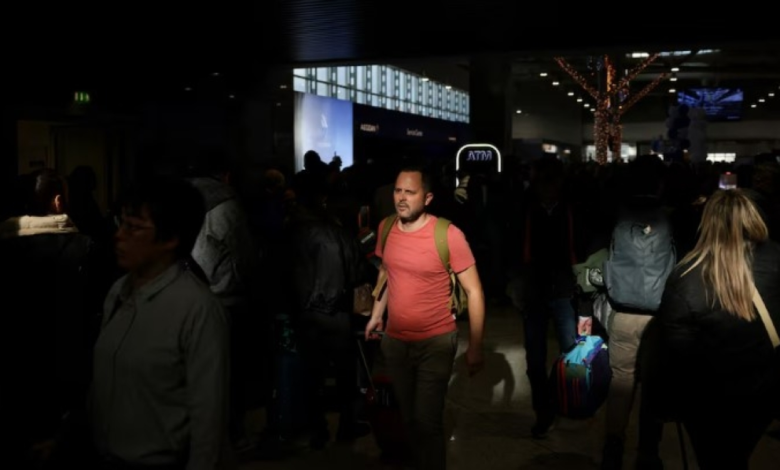
A major technical malfunction brought air traffic to a complete standstill, leaving thousands of passengers stranded and crowded in departure lounges, particularly at Athens International Airport. According to the Hellenic Civil Aviation Authority, the problem began early Sunday morning and escalated rapidly, necessitating immediate action to ensure air safety.
In a statement to Greek public broadcaster ERT, Panagiotis Psaros, president of the Greek Air Traffic Controllers Association, explained the seriousness of the situation, saying, "For some reason, all frequencies suddenly went down… We were unable to communicate with aircraft in the air." He indicated that the outage stemmed from the failure of the central radio frequency systems at the Athens-Macedonia Regional Control Center, the main hub for air traffic management in the country.
The importance of communication systems and their impact on aviation safety
Radio frequency (RF) systems are the backbone of civil aviation safety, as air traffic control relies on them to guide aircraft, determine flight paths, and ensure safe spacing between flights to avoid collisions. The loss of these communications constitutes a critical emergency in international aviation protocols, justifying the Greek decision to immediately suspend operations rather than risk passenger safety.
Despite the complete halt to landing and takeoff operations, the authority stated that some overflights flying at high altitudes over Greek airspace are still being operated with extreme caution, but strict restrictions have been imposed on all ground operations and airports.
The impact of the lockdown on regional travel
This closure is expected to significantly impact air traffic in the Eastern Mediterranean and Europe, given Greece's strategic location as a vital transit hub. The disruption could lead to delays and cancellations, potentially affecting international airlines that use Greek airspace or airports as transit points.
Global flight tracking devices have shown that Greek airspace is almost empty of aircraft, in a rare scene reflecting the scale of the technical crisis facing the country, amid anticipation of repairs to the faults and a return to normal operations.