Greek sailors strike in solidarity with their colleagues in the Gulf due to the war

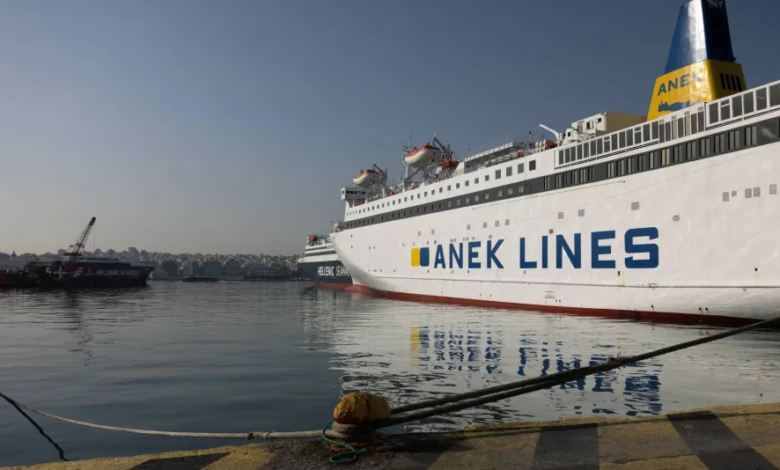
Seamen in Greece have announced a general strike, an escalation of their protest against the growing dangers they face due to war and geopolitical tensions in the Gulf region. This action reflects the increasing concern among the global maritime workforce regarding security threats to international shipping lanes.
Background of the event and Greece's maritime status
To understand the significance of this strike, one must consider Greece's historical and economic context within the maritime world. Greece is one of the world's largest shipowners, with the Greek merchant fleet controlling a substantial share of global shipping traffic. Consequently, any action taken by Greek seafarers or their unions not only has a local impact but also sends ripples through global supply chains. Greek seafarers have long been known for their strong unions and their extensive history of fighting for workers' rights and safety standards, giving them a powerful voice on the international stage.
Risks in the Gulf and motivations for solidarity
The strike is directly linked to the deteriorating security situation in vital waterways in the Middle East, particularly in the Gulf and the Red Sea. With the escalation of conflicts and wars, merchant ships and their crews have become vulnerable to real dangers, ranging from direct attacks and piracy to being caught in the crossfire. Greek sailors believe their colleagues in these areas are operating in "war zones" without adequate guarantees for their personal safety, which prompted them to launch this strike as a message to pressure companies and governments to implement stricter security measures or avoid high-risk areas altogether.
Expected impacts: locally and globally
This strike is expected to have far-reaching consequences. Domestically in Greece, the halt in ferry and cargo shipping could disrupt transport between the islands and the mainland, affecting both passenger and freight traffic. Internationally, a seafarers' strike in a pivotal country like Greece could raise concerns about delays in energy and cargo shipments, potentially leading to higher marine insurance costs and disruptions to global shipping schedules.
A message to the international community
In conclusion, this strike is not limited to traditional sectoral demands such as wages, but also carries a humanitarian and ethical dimension related to the right to life and safety. It is a clear call to the international community and global maritime bodies to keep trade routes neutral from military conflicts and to ensure the safe return of seafarers to their home countries, emphasizing that the safety of crew members must take the highest priority above any commercial or political considerations.