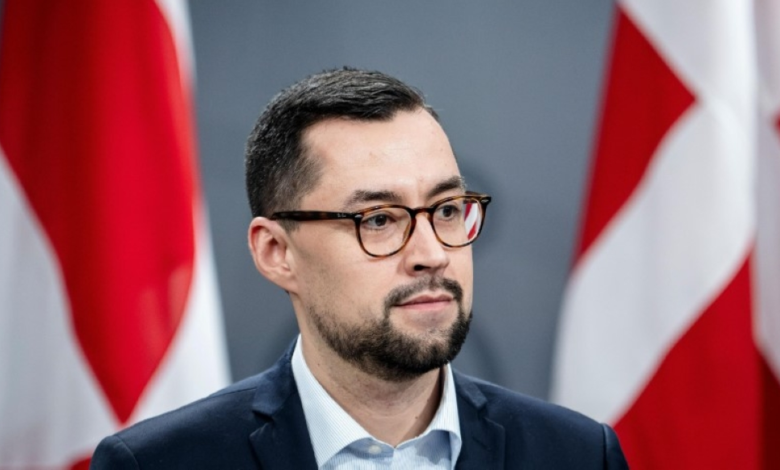

تغييرات حكومية استراتيجية في غرينلاند
شهدت الساحة السياسية في غرينلاند تطورات بارزة مع إعلان تشكيلة حكومية جديدة، حيث تولى السياسي البارز ورئيس الوزراء السابق “موتي إيغيدي” حقيبة وزارة الخارجية، بالإضافة إلى إشرافه المباشر على قطاعي الموارد المعدنية والصناعة. يأتي هذا التعيين في وقت حساس للغاية بالنسبة للإقليم الدنماركي المتمتع بالحكم الذاتي، والذي يقع في قلب التجاذبات الجيوسياسية العالمية. وقد جاء هذا القرار الاستراتيجي بعد مرور شهر واحد فقط على استقالة سلفه، فيفيان موتزفيلدت، إثر انسحاب حزبها من الائتلاف الحاكم، مما استدعى إعادة ترتيب الأوراق السياسية داخل برلمان غرينلاند الذي اعتمد التشكيلة الجديدة خلال دورته الربيعية.
السياق التاريخي: أطماع دولية وموقف حازم
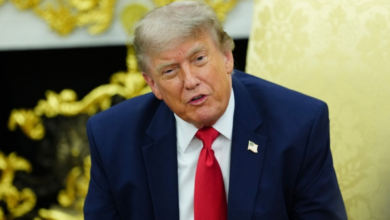
لا يمكن قراءة هذه التغييرات بمعزل عن السياق التاريخي والجيوسياسي لغرينلاند. ففي عام 2019، تصدرت أكبر جزيرة في العالم عناوين الأخبار العالمية عندما اقترح الرئيس الأمريكي السابق دونالد ترامب شراءها، وهو العرض الذي قوبل برفض قاطع من القيادة المحلية. وكان موتي إيغيدي، زعيم حزب “إنويت أتاقاتيغيت” (IA) والذي شغل منصب رئيس الوزراء بين العامين 2021 و2025، من أبرز المتصدين لهذه المحاولات، حيث أطلق تصريحه الشهير بأن الإقليم “ليس للبيع”. وتعود الأهمية التاريخية لغرينلاند بالنسبة لواشنطن إلى حقبة الحرب الباردة، حيث تستضيف قاعدة عسكرية أمريكية استراتيجية تلعب دوراً حاسماً في نظام الإنذار المبكر، مما يجعل الجزيرة نقطة ارتكاز أمني للولايات المتحدة في القطب الشمالي.
الموارد المعدنية: ورقة غرينلاند الرابحة
إن دمج حقيبتي الخارجية والموارد المعدنية تحت قيادة إيغيدي يحمل دلالات اقتصادية وسياسية عميقة. فغرينلاند تمتلك احتياطيات هائلة من المعادن الأرضية النادرة، والتي تعتبر عصب الصناعات التكنولوجية الحديثة ومشاريع الطاقة المتجددة. ومع التوجه العالمي نحو التكنولوجيا الخضراء، أصبحت هذه المعادن محط أنظار القوى الكبرى. تسعى حكومة غرينلاند إلى استغلال هذه الموارد بحذر لضمان استدامة بيئتها القطبية الهشة، وفي الوقت نفسه تحقيق استقلال اقتصادي يمهد الطريق نحو استقلال سياسي أوسع عن الدنمارك مستقبلاً.
التأثير المتوقع: محلياً وإقليمياً ودولياً
على الصعيد المحلي، تهدف هذه التغييرات إلى إعادة الاستقرار للائتلاف الحاكم وتسريع وتيرة التنمية. أما إقليمياً، فإن تولي شخصية قوية مثل إيغيدي لوزارة الخارجية يعني أن غرينلاند ستطالب بصوت أعلى في صياغة السياسات التي تخص الإقليم، رغم أن الدستور الدنماركي لا يزال يمنح كوبنهاغن الكلمة العليا في شؤون الدفاع والخارجية.
دولياً، تتجه الأنظار نحو العلاقات مع واشنطن. فقد تولى رئيس وزراء غرينلاند ينس-فريدريك نيلسن منصب وزير الخارجية مؤقتاً في وقت سابق وسط تصاعد التوترات مع الولايات المتحدة. ولاحتواء الموقف، شُكل فريق عمل ثلاثي يضم غرينلاند، والدنمارك، والولايات المتحدة في شهر يناير الماضي لمناقشة المخاوف الأمريكية بشأن هذه المنطقة الاستراتيجية. ورغم أن تفاصيل هذه المناقشات لم تُعلن للعموم، إلا أن قيادة إيغيدي الجديدة ستكون حاسمة في تحديد مسار هذه المفاوضات المعقدة، بما يضمن مصالح الجزيرة الجليدية في خضم صراع النفوذ الدولي.