
في ظاهرة مناخية استثنائية تعكس تسارع وتيرة الاحتباس الحراري، سجلت العاصمة الغرينلاندية "نوك" الشهر الماضي أدفأ شهر يناير في تاريخها، محطمة بذلك أرقاماً قياسية صمدت لأكثر من قرن من الزمان. وأعلن المعهد الدنماركي للأرصاد الجوية أن درجات الحرارة المرتفعة لم تقتصر على العاصمة فحسب، بل امتدت لتشمل مساحات واسعة من الساحل الغربي للجزيرة القطبية.
أرقام قياسية تتحدى برودة الشتاء القطبي
بينما كانت أجزاء واسعة من أوروبا وأميركا الشمالية ترزح تحت وطأة موجات برد قاسية خلال يناير، كانت الصورة مغايرة تماماً في غرينلاند. فقد سجلت العاصمة نوك متوسط درجة حرارة شهرية بلغ 0.1 درجة مئوية، وهو رقم غير مسبوق يزيد بمقدار 7.8 درجة مئوية عن المعدل الطبيعي المسجل خلال العقود الثلاثة الماضية. هذا الارتفاع تجاوز الرقم القياسي السابق المسجل عام 1917 بمقدار 1.4 درجة مئوية، مما ينهي حقبة قياسية استمرت لـ 109 أعوام.
وفي ذروة هذه الموجة الدافئة، وصلت درجة الحرارة في أحد أيام يناير إلى 11.3 درجة مئوية، وهو طقس ربيعي لا يتناسب مع طبيعة الشتاء القارس المعروف في هذه المنطقة المتجمدة.
امتداد جغرافي للظاهرة وتأثيرات بيئية
لم تكن العاصمة وحدها في مواجهة هذا الدفء غير المعتاد؛ فقد أكد المعهد الدنماركي أن الأرقام القياسية تحطمت على امتداد أكثر من 2000 كيلومتر، بدءاً من أقصى الجنوب وصولاً إلى الساحل الغربي. ففي منطقة "إيلوليسات" الواقعة بخليج ديسكو، بلغ متوسط الحرارة 1.6 درجة مئوية تحت الصفر، متجاوزاً الرقم القياسي لعام 1929، وبفارق هائل بلغ 11 درجة مئوية عن المعدل الطبيعي لشهر يناير.
السياق العلمي: لماذا يحدث هذا؟
يرجع العلماء هذه الظاهرة إلى موجات الهواء الدافئة التي تهب على غرينلاند، وهي ظاهرة قد تحدث بشكل عابر ليوم أو يومين، لكن استمرارها لفترات طويلة يعد مؤشراً مقلقاً. وأوضح مارتن أوليسن، الباحث في علم المناخ، أن استمرار الدفء على هذه المساحات الشاسعة يعد دليلاً دامغاً على التغيرات المناخية الجذرية، مشيراً إلى أن الاحترار العالمي يؤدي بالضرورة إلى تزايد تسجيل درجات حرارة دافئة قياسية مقابل تناقص موجات البرد الشديد.
تداعيات خطيرة على النظام البيئي العالمي والمحلي
يحمل هذا الارتفاع في درجات الحرارة دلالات خطيرة تتجاوز الحدود الجغرافية لغرينلاند. تعتبر الجزيرة مخزناً هائلاً للمياه العذبة المتجمدة، ويؤدي ذوبان الجليد فيها إلى المساهمة بشكل مباشر في ارتفاع منسوب مياه البحار والمحيطات عالمياً، مما يهدد المدن الساحلية حول العالم.
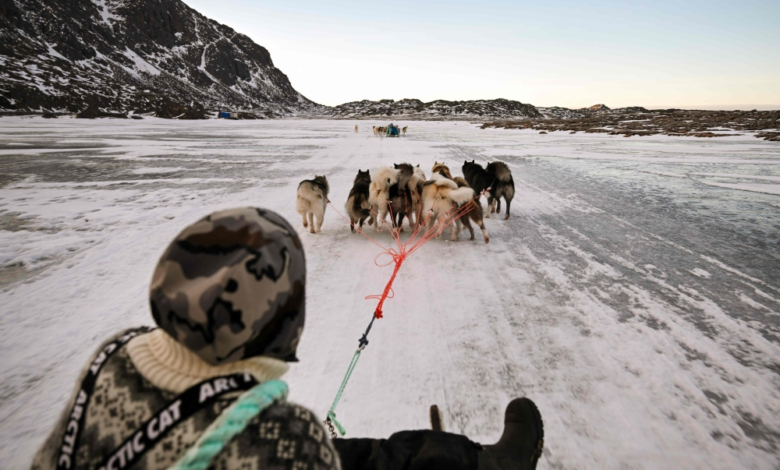
على الصعيد المحلي، يهدد هذا الدفء نمط الحياة التقليدي لسكان غرينلاند، حيث يعتمد الصيادون المحليون على سماكة الجليد للتنقل وصيد الأسماك والحيوانات البحرية. يؤدي ضعف طبقة الجليد أو ذوبانها المبكر إلى جعل رحلات الصيد خطرة أو مستحيلة، مما يضرب عصب الاقتصاد المعيشي للمجتمعات القطبية.
وتأتي هذه البيانات لتؤكد ما نشرته دراسة في مجلة "نيتشر" عام 2022، والتي أشارت إلى أن منطقة القطب الشمالي ترتفع حرارتها بمعدل يفوق أربعة أضعاف المتوسط العالمي منذ عام 1979، مما يجعلها الجبهة الأمامية الأكثر تضرراً في معركة المناخ العالمية.