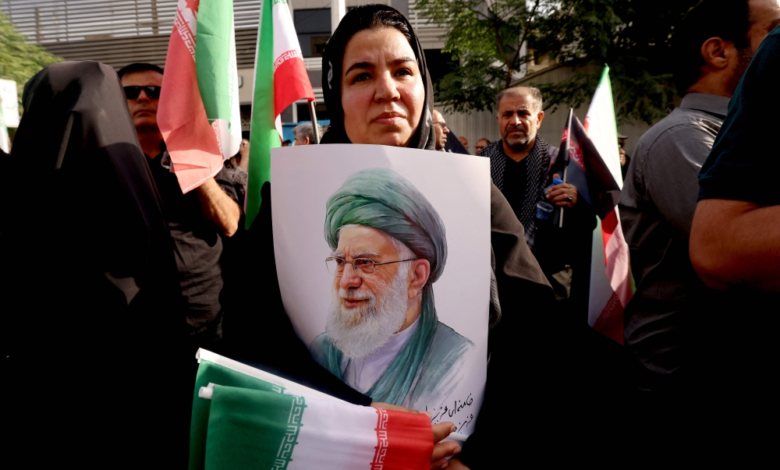

أعلن علي لاريجاني، أمين المجلس الأعلى للأمن القومي الإيراني، رسمياً دخول البلاد في مرحلة انتقالية حرجة تبدأ اعتباراً من يوم الأحد، وذلك عقب تأكيد التلفزيون الرسمي مقتل المرشد الأعلى للثورة الإيرانية، علي خامنئي، في سلسلة ضربات أمريكية إسرائيلية مشتركة استهدفت مقر إقامته. ويأتي هذا الإعلان ليضع حداً للتكهنات ويفتح الباب أمام ترتيبات دستورية معقدة لملء الفراغ في أعلى هرم السلطة في طهران.
آلية انتقال السلطة ومجلس القيادة المؤقت
في تصريحاته العاجلة، أوضح لاريجاني أنه سيتم تشكيل "مجلس قيادة مؤقت" في أقرب وقت ممكن لإدارة شؤون البلاد. ووفقاً للمادة 111 من الدستور الإيراني، يتولى هذا المجلس مهام المرشد لحين انتخاب قائد جديد. وسيتكون المجلس من ثلاثة أركان رئيسية: رئيس الجمهورية، ورئيس السلطة القضائية، وأحد فقهاء مجلس صيانة الدستور. وتعد هذه الخطوة إجراءً دستورياً حاسماً لضمان استمرار عمل مؤسسات الدولة ومنع حدوث فراغ دستوري قد يؤدي إلى فوضى داخلية.
وأكد لاريجاني أن العمل جارٍ على قدم وساق لتشكيل هذا المجلس فوراً، مشيراً إلى أن المؤسسة الأمنية والسياسية في إيران تعمل بتنسيق كامل لتجاوز هذه المحنة. وتتجه الأنظار الآن نحو "مجلس خبراء القيادة"، الهيئة المخولة دستورياً باختيار خليفة خامنئي، حيث من المتوقع أن يعقد جلسات طارئة ومغلقة لتداول الأسماء المرشحة لتولي منصب الولي الفقيه، وهي عملية قد تستغرق وقتاً وسط تجاذبات التيارات السياسية المختلفة داخل النظام.
ردود الفعل الدولية والسياق التاريخي
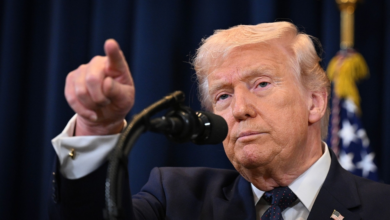
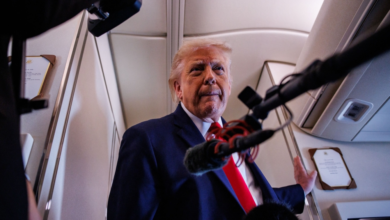
على الصعيد الدولي، سارع الرئيس الأمريكي السابق دونالد ترامب للتعليق عبر منصته "تروث سوشيال"، معتبراً أن مقتل خامنئي يمثل "عدالة" للشعب الإيراني وللضحايا الأمريكيين والدوليين، في تصعيد واضح للخطاب السياسي ضد طهران. وتأتي هذه التطورات في وقت تشهد فيه المنطقة توترات غير مسبوقة، حيث يرى مراقبون أن غياب خامنئي، الذي حكم البلاد بقبضة حديدية منذ وفاة المؤسس روح الله الخميني عام 1989، سيشكل زلزالاً جيوسياسياً قد يعيد رسم موازين القوى في الشرق الأوسط.
إن رحيل خامنئي لا يمثل مجرد تغيير في رأس السلطة، بل هو نهاية حقبة استمرت لأكثر من ثلاثة عقود، تميزت بتوسع النفوذ الإيراني الإقليمي والمواجهة المستمرة مع الغرب. ومع توارد الأنباء عن مقتل أفراد من عائلة المرشد، بمن فيهم ابنته وزوجها وحفيدته، تزداد حالة الغموض حول المستقبل القريب لإيران، وما إذا كانت القيادة المؤقتة ستنجح في الحفاظ على تماسك الجبهة الداخلية في ظل هذه الظروف العصيبة.