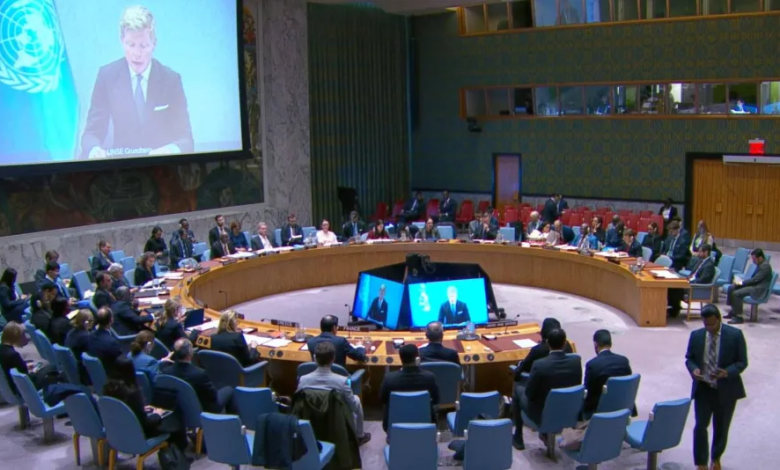

حذر المبعوث الخاص للأمين العام للأمم المتحدة إلى اليمن، هانس غروندبرغ، من المخاطر المتزايدة التي تهدد بنسف التقدم المحرز في مسار السلام اليمني، مشيراً إلى أن المكاسب التي تحققت بشق الأنفس خلال الفترة الماضية باتت عرضة لانتكاسة حقيقية في ظل التوترات الإقليمية المتصاعدة.
وأكد غروندبرغ في إحاطته أن الوضع الراهن في اليمن يتسم بالهشاشة الشديدة، حيث لا تزال البلاد تعيش حالة من اللاحرب واللاسلم، ورغم انخفاض وتيرة العمليات العسكرية الكبرى منذ سريان الهدنة في أبريل 2022، إلا أن استمرار التحشيد العسكري والمناوشات على الجبهات، بالتزامن مع التطورات الجيوسياسية في المنطقة، يضع اليمن أمام مفترق طرق خطير قد يؤدي إلى عودة دوامة العنف بشكل أوسع.
خلفية الصراع ومسار الهدنة الهش
يعيش اليمن أزمة إنسانية وسياسية معقدة منذ اندلاع الصراع، وقد شكلت الهدنة التي رعتها الأمم المتحدة في عام 2022 نقطة تحول هامة، حيث ساهمت في خفض الخسائر البشرية، وتسهيل دخول الوقود عبر ميناء الحديدة، واستئناف بعض الرحلات الجوية من مطار صنعاء. هذه الخطوات، التي اعتبرت “مكاسب” ملموسة للمواطن اليمني، هي ما يخشى المبعوث الأممي من ضياعها اليوم في حال عدم التوصل إلى اتفاق وقف إطلاق نار دائم وشامل.
تأثير التوترات الإقليمية واتساع الصراع
تأتي تحذيرات غروندبرغ في وقت تشهد فيه المنطقة اضطرابات واسعة، لا سيما التوترات في البحر الأحمر وباب المندب، والتي ألقت بظلالها القاتمة على الملف اليمني. ويرى مراقبون أن ربط الملف اليمني بصراعات المنطقة يعقد جهود الوساطة الأممية والدولية، ويهدد بنسف خارطة الطريق التي تم التوصل إليها سابقاً، مما قد يجر اليمن إلى صراع إقليمي أوسع يتجاوز حدوده الجغرافية، وهو ما حذر منه المبعوث صراحة بعبارة “اتساع الصراع”.
الأهمية الاستراتيجية والإنسانية للتهدئة
لا تقتصر أهمية الحفاظ على التهدئة في اليمن على الجانب الأمني فحسب، بل تمتد لتشمل الجوانب الاقتصادية والإنسانية. فاليمن، الذي يعاني من أسوأ أزمة إنسانية في العالم وفق تصنيف الأمم المتحدة، بحاجة ماسة إلى استقرار يسمح بمعالجة الملفات الاقتصادية العالقة، مثل دفع رواتب الموظفين، وتوحيد العملة، وإعادة الإعمار. إن أي انتكاسة عسكرية جديدة ستعني كارثة مضاعفة للملايين الذين يعتمدون على المساعدات الإغاثية، وستقوض فرص التعافي الاقتصادي لسنوات قادمة.
واختتم غروندبرغ دعوته بضرورة ممارسة أقصى درجات ضبط النفس من قبل كافة الأطراف اليمنية، وفصل مسار السلام الداخلي عن التجاذبات الإقليمية، لضمان عدم العودة إلى المربع الأول من الصراع الدامي.