
مع حلول عيد الأضحى المبارك، تتحول شوارع مصر إلى كرنفال من الفرح والبهجة، لا يقتصر على المصريين وحدهم، بل يشارك فيه ملايين المقيمين الذين وجدوا في مصر وطناً ثانياً، والذين يُعرفون بـ«ضيوف مصر». هؤلاء الضيوف، القادمون من دول شقيقة مثل السودان وسوريا واليمن وفلسطين، يجلبون معهم ثراءً ثقافياً وتقاليد عريقة، تمتزج بسلاسة مع الطقوس المصرية الأصيلة، لتشكل لوحة فسيفساء فريدة تعكس روح التآخي والاندماج.
خلفية تاريخية: مصر كحاضنة للأشقاء العرب
على مر العصور، كانت مصر ملاذاً آمناً ومستقراً للكثير من أبناء المنطقة العربية الذين دفعتهم الظروف إلى مغادرة أوطانهم. من السودانيين الذين تربطهم بمصر علاقات تاريخية وجغرافية عميقة، إلى السوريين الذين لجأوا إليها هرباً من الصراع، واليمنيين والفلسطينيين الذين يبحثون عن فرصة لحياة أفضل. وقد استقر هؤلاء الضيوف في مختلف المدن المصرية، مكونين مجتمعات نابضة بالحياة، وحافظوا على هويتهم الثقافية مع الانخراط في النسيج المجتمعي المصري. وتتجلى هذه العلاقة بشكل خاص في المناسبات الدينية والاجتماعية مثل عيد الأضحى، الذي يصبح فرصة لإحياء التقاليد والتعبير عن الانتماء المزدوج.
مظاهر احتفال الجاليات: لكل بلد طقوسه الخاصة
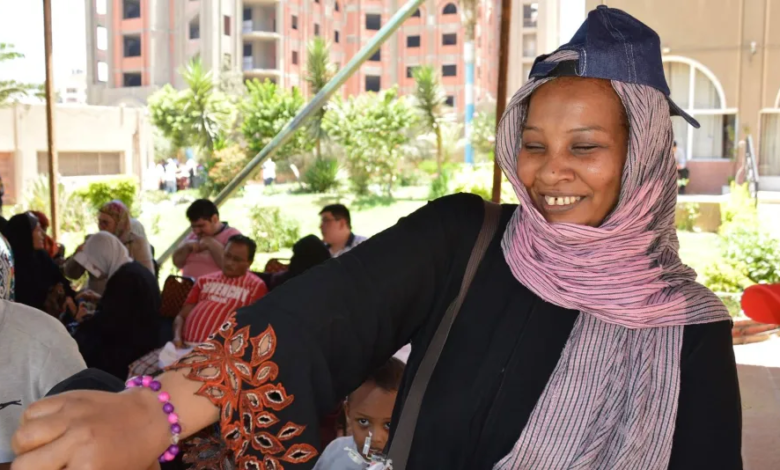
تتميز احتفالات كل جالية بطابعها الخاص الذي يعكس تراثها. ففي مناطق تجمع الجالية السودانية، مثل عين شمس وفيصل، تنتشر رائحة البخور السوداني المميز، وتتزين النساء بالثوب السوداني الملون ونقوش الحناء المعقدة. وتعد أطباق مثل “العصيدة” و”الفتة” السودانية جزءاً لا يتجزأ من مائدة العيد، حيث يتجمع الأهل والأصدقاء لتبادل التهاني في أجواء تملؤها الألفة والمحبة.
أما الجالية السورية، التي اشتهرت بإتقانها لصناعة الحلويات، فتشهد محلاتهم في مدن مثل 6 أكتوبر والرحاب إقبالاً كبيراً لشراء “المعمول” المحشو بالتمر أو الفستق، و”البرازق”. ويعيد السوريون إحياء أجواء العيد في دمشق من خلال التجمعات العائلية الكبيرة، وتبادل الزيارات التي تستمر لعدة أيام، محافظين على تقاليدهم الأصيلة في الضيافة والكرم.
وبالنسبة لأبناء الجالية اليمنية، يمثل العيد فرصة للتجمع وارتداء الملابس التقليدية، وإعداد الأطباق الشهيرة مثل “المندي” و”الزربيان”. وتبرز في احتفالاتهم قيم التكافل الاجتماعي، حيث يحرصون على مشاركة الأضاحي والطعام مع جيرانهم من المصريين والجنسيات الأخرى، مما يعزز الروابط الإنسانية بينهم.
التأثير المجتمعي والاقتصادي للاحتفالات
لا تقتصر أهمية هذه الاحتفالات على الجانب الاجتماعي والثقافي فقط، بل تمتد لتشمل الجانب الاقتصادي. فالمطاعم والمحلات التجارية التي يمتلكها هؤلاء الضيوف تشهد ازدهاراً ملحوظاً خلال فترة العيد، حيث يقدمون منتجات وخدمات تلبي أذواق أبناء جالياتهم وتجذب في الوقت نفسه فضول المصريين لتجربة ثقافات جديدة. على المستوى المجتمعي، تساهم هذه الطقوس المشتركة في كسر الحواجز وتعزيز التفاهم والقبول المتبادل، وتؤكد على أن مصر كانت وستظل دائماً بيتاً كبيراً يحتضن جميع أبنائها وضيوفها في نسيج واحد متناغم.