
Introduction: Gulf defensive superiority in the face of aerial threats
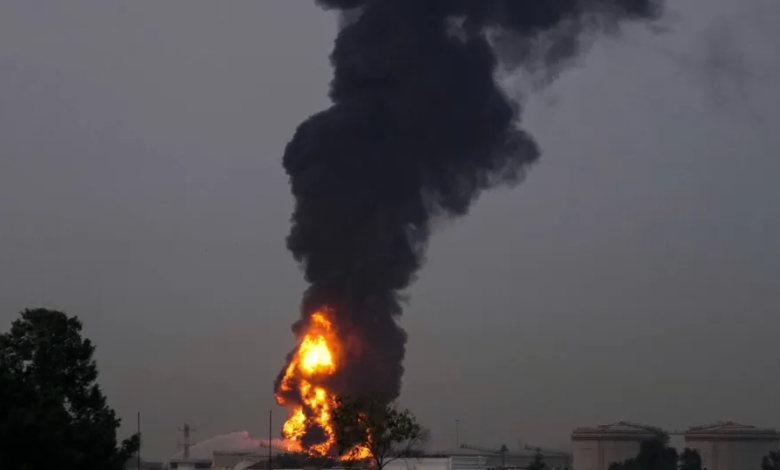
The Gulf Cooperation Council (GCC) states continue to demonstrate their high efficiency and superior ability to protect their regional airspace. Recent developments have shown unprecedented success in establishing air superiority and intercepting hundreds of Iranian drones and missiles that attempted to penetrate the region's airspace. This success is the culmination of years of strategic investment in developing air defense systems and modernizing radars and early warning systems, making the Gulf's skies an impenetrable shield.
General context and historical background of the air tensions
Over the past decade, the Middle East has witnessed complex geopolitical shifts, marked by a significant increase in the use of drones and ballistic missiles as instruments of military pressure. Historically, the Gulf states, particularly Saudi Arabia and the United Arab Emirates, have faced persistent threats from Iranian-backed militias, such as the Houthis in Yemen. These threats have frequently targeted vital and civilian infrastructure, prompting the Gulf Cooperation Council (GCC) states to develop a sophisticated and integrated air defense network. This network has included the acquisition of advanced global systems such as Patriot missiles and the THAAD system, as well as enhanced joint military cooperation and intelligence sharing to ensure the detection and destruction of any hostile targets before they reach their intended destinations.
The importance of the event and its expected impact at all levels
Local and regional impact
Domestically, this air superiority enhances the sense of security and safety among citizens and residents, ensuring the continuation of normal life and uninterrupted economic growth. Regionally, the Gulf states' ability to neutralize hundreds of Iranian drones and missiles sends a strong and clear deterrent message to anyone contemplating threatening the region's security. This outstanding defensive performance curbs ambitions of regional expansion through proxies and affirms that the Gulf states possess the upper hand in protecting their sovereignty and national achievements, thus contributing to restoring strategic balance to the Middle East.
International and economic impact
Internationally, the importance of stability in the Arabian Gulf region cannot be underestimated, as it is the main artery of global energy supplies. Any aerial threat targeting oil infrastructure or shipping lanes has an immediate impact on global energy markets and the international economy. Therefore, the success of Gulf defense systems in intercepting these aerial threats is widely appreciated and supported by the international community. Moreover, this success strengthens strategic partnerships between the Gulf states and major world powers, which view Gulf security as an integral part of international peace and security.
a summary
In conclusion, the Gulf's continued air superiority and its success in thwarting missile and drone attacks represent a significant turning point in regional military doctrine. This development not only reflects technological and military superiority but also underscores the firm political will to protect homelands and ensure regional stability in the face of escalating challenges, reaffirming that Gulf security is a red line that cannot be crossed.