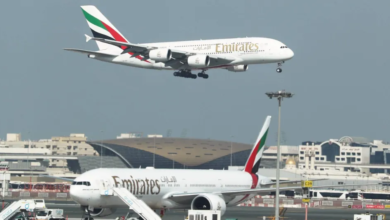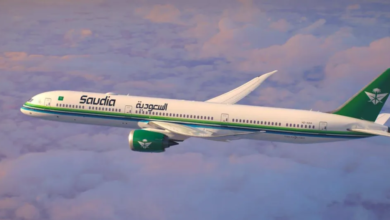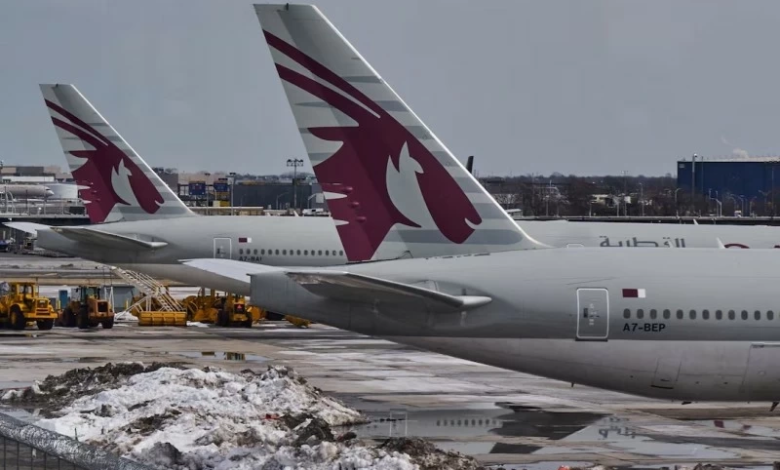
The global aviation sector has been rocked in recent days by a record surge in airfares between Asia and Europe. This sudden increase is a direct consequence of the closure of key airports in the Middle East, most notably Dubai International Airport, a major artery for global travel, for the fourth consecutive day (Tuesday), amid escalating military tensions and the potential US-Israeli conflict with Iran.
Paralysis in strategic air axes
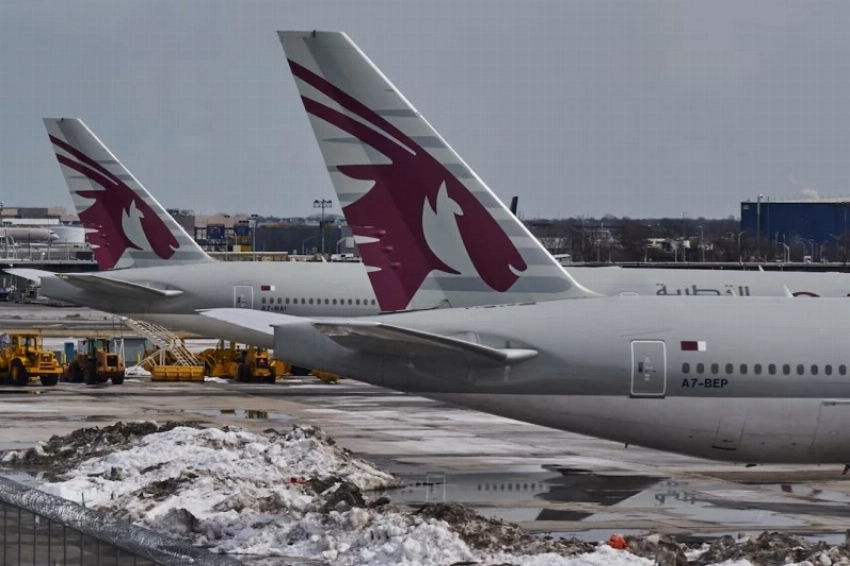
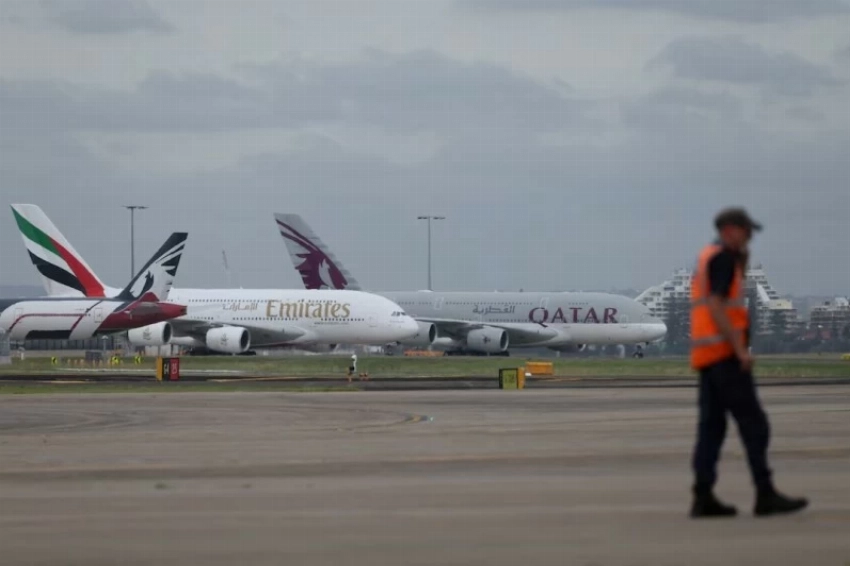
This closure has created a massive gap in available seat capacity globally, resulting in a near-complete sell-out of flights scheduled for the coming days. Crucial routes such as the Kangaroo Air Line, linking Australia to Europe, have been particularly affected. This route has historically been dominated by Gulf carriers like Emirates and Qatar Airways. It is one of the world's busiest air corridors, with millions of passengers relying annually on Dubai and Doha as transit hubs connecting East and West.
Passenger rush and changing air map
Amid this confusion, travel agencies have been under unprecedented pressure. Australia's Flight Centre Travel Group reported a 75% jump in calls for urgent assistance since the crisis began. Andrew Stark, the group's global director, explained that there has been a radical shift in traveler behavior, with Australians rerouting their bookings to alternative routes away from the Middle East, relying on transit hubs in East Asia such as China and Singapore, or even via the United States (such as Houston) to reach their European destinations.
Operational challenges: Longer routes and high costs
The closure of airspace in the Middle East presents complex logistical challenges, forcing airlines to seek alternative routes to avoid conflict zones. Current options include flying north through the Caucasus and Central Asia, or south through Egypt, Saudi Arabia, and Oman (for routes that remain partially open). These diversions mean additional flight hours and increased fuel consumption, significantly raising operating costs, which are immediately reflected in final ticket prices for consumers, especially given the volatility of global oil prices.
Winners and losers in the crisis equation
Supas Menon, president of the Association of Asia Pacific Airlines, warned that the continued closure of Middle Eastern airspace would place a "heavy financial burden," noting that serving European destinations with high operating costs would erode profit margins. Conversely, aviation consultancy Alton anticipates that other airlines, such as Hong Kong's Cathay Pacific, Singapore Airlines, and Turkish Airlines, will benefit from the crisis in the short term, as passengers divert to routes considered safer and more stable at present.
An uncertain future and a real test for the sector
Current data shows a sharp rise in flight cancellations, with Dubai International Airport alone accounting for nearly half of all cancellations in the region during the last days of February. Economic analysts believe this geopolitical turmoil represents the biggest test of the global aviation sector's resilience since the COVID-19 pandemic. As the crisis continues, we may witness a temporary redrawing of the global air transport map, with the center of gravity shifting from the Arabian Gulf hubs to East Asia and Europe, while travelers bear the brunt of this conflict with their time and money.