The Gulf-British ministerial meeting discusses the escalation in the region

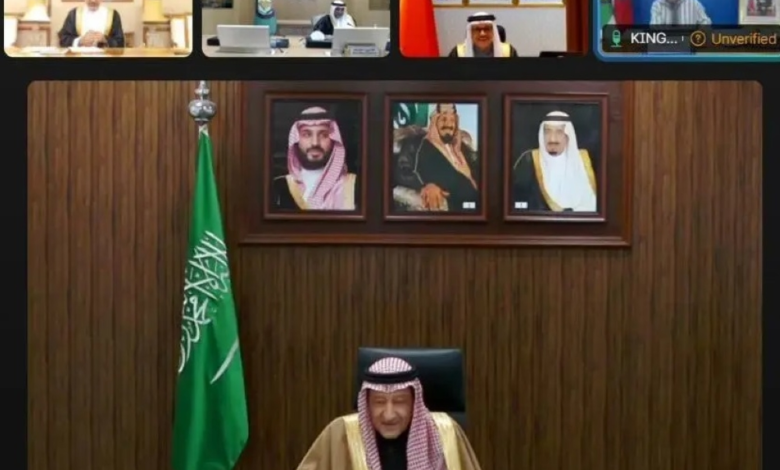
Amid escalating tensions in the Middle East, Gulf Cooperation Council (GCC)-UK ministerial meeting virtually to discuss current security and political developments. Deputy Foreign Minister Waleed bin Abdulkarim Al-Khuraiji participated in this important meeting on behalf of His Highness Prince Faisal bin Farhan bin Abdullah, the Saudi Foreign Minister. The meeting was chaired by the Foreign Minister of the Kingdom of Bahrain, Dr. Abdullatif bin Rashid Al-Zayani, in his capacity as the current chair of the GCC, and included representatives from the United Kingdom.
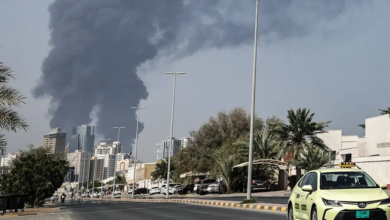
Discussions during the meeting focused on the ongoing Iranian aggression in the region and its negative impact on the Gulf Cooperation Council (GCC) states. The two sides exchanged views and positions regarding these threats, emphasizing the importance of joint action to safeguard the security and well-being of citizens and residents in the GCC countries. Participants also addressed the escalating regional tensions and international efforts to contain crises and prevent their further deterioration. The Saudi delegation included Dr. Abdulrahman Al-Rassi, Undersecretary of the Ministry of Foreign Affairs for Multilateral International Affairs, and Faisal bin Saeed Al-Sati, Director of the GCC Department.
The historical context of Gulf-British relations
These discussions are a continuation of the historical relations and deep strategic partnership that bind the Gulf Cooperation Council (GCC) countries to the United Kingdom. For decades, Britain has played a pivotal role in supporting the security and stability of the Arabian Gulf through defense, security, and economic cooperation agreements. These periodic ministerial meetings are a key part of the ongoing strategic dialogue between the two sides, which aims to unify visions and coordinate positions on pressing regional and international issues, reflecting both parties' commitment to strengthening the strategic alliance in the face of shared challenges and rapidly evolving geopolitical landscape.
The importance of the event and its expected impact
Discussing Iranian threats and aggressions is of paramount importance at this sensitive time, as the region faces complex security challenges, including threats to maritime navigation in vital waterways and interference in the internal affairs of regional states. These practices not only pose a threat to the Gulf states but also constitute a clear violation of international laws and norms.
At the local and regional level: This high-level coordination aims to reassure the people of the region, ensure the protection of vital infrastructure and the developmental and economic gains of the GCC countries, and confirm readiness to deal with any security emergencies.
On the international level, the security of the Arabian Gulf is a cornerstone of global economic security. The alignment of visions between the Gulf Cooperation Council and a major international power like the United Kingdom sends a firm message to the international community about the necessity of upholding its responsibilities in maintaining international peace and security. It also underscores the importance of protecting global trade and energy supplies upon which the world depends, and of pressing for diplomatic and political solutions that end the escalation and prevent the region from sliding into wider conflicts that could harm global stability.
In this context, the tireless diplomatic efforts led by the Kingdom of Saudi Arabia and the Gulf States stand out, as they always seek to promote dialogue and peaceful solutions, while fully emphasizing the right of the countries of the region to defend their sovereignty and national security against any external interference.