
Widespread Gulf condemnation and solidarity with the State of Qatar
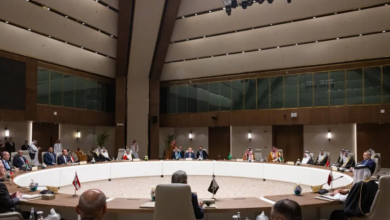
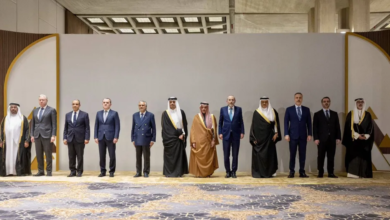
The Gulf Cooperation Council (GCC) states expressed their strong condemnation of the attack on Ras Laffan Industrial City in Qatar, which they described as an Iranian attack threatening the security and stability of the region. In successive statements, the Gulf capitals affirmed their full solidarity with Doha, emphasizing that the security of the Gulf states is indivisible and that any attack on any member state is considered an attack on the entire Council. These condemnations come at a time of escalating geopolitical tensions in the Middle East, requiring concerted efforts to maintain regional peace and security.
The strategic importance of Ras Laffan Industrial City
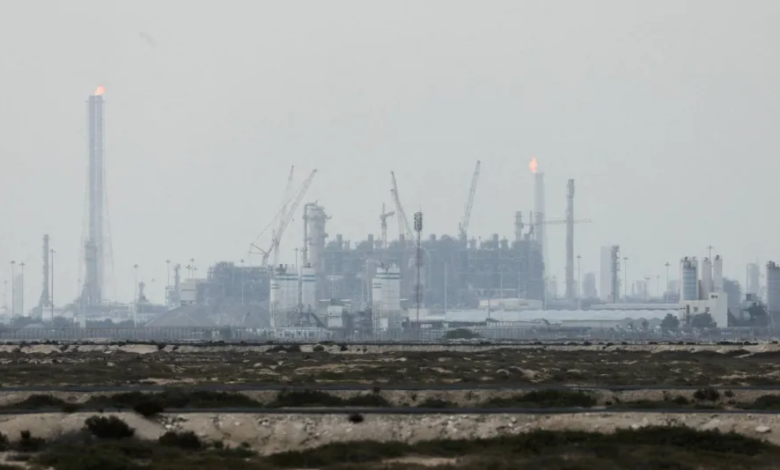
Ras Laffan City , located on Qatar’s northeastern coast, is one of the world’s largest and most important industrial complexes dedicated to the production and export of liquefied natural gas (LNG). This city is the lifeblood of the Qatari economy and the main processing center for gas extracted from the North Field, the world’s largest non-associated gas field. Targeting this vital facility not only poses a threat to Qatari sovereignty but also a direct risk to global energy security. Many countries in Asia and Europe rely heavily on stable supplies of Qatari gas to meet their energy needs, making any attack on Ras Laffan a potential energy crisis that could disrupt global markets and lead to sharp fluctuations in gas and oil prices.
Historical context and security of the Arabian Gulf
Historically, the Arabian Gulf region has been an arena for geopolitical tensions, but targeting energy infrastructure represents a dangerous escalation reminiscent of previous attacks on vital facilities in the region. The Gulf Cooperation Council (GCC) states have based their security doctrine on the principle of collective defense, viewing the protection of waterways and vital economic infrastructure as a top priority. The GCC states continuously work to enhance their defense capabilities and coordinate their security efforts to counter any external threats, whether conventional, cyber, or those posed by drones and missiles, to ensure the continued and secure flow of energy supplies to the world.
Expected regional and international repercussions
On both regional and international levels, this event carries profound implications. Regionally, this attack could lead to a realignment of alliances and an intensification of military and security presence to protect navigation in the Arabian Gulf and the Strait of Hormuz, through which a significant portion of the world's energy supply passes. Internationally, major powers are expected to intervene to exert pressure for de-escalation and prevent the region from sliding into open conflict. The international community is fully aware that the stability of the Gulf region is a cornerstone of global economic stability; therefore, protecting facilities like Ras Laffan transcends being a purely domestic matter and becomes a paramount international interest requiring a firm stance against any destabilizing interventions or attacks.