
Introduction: The evolution of Gulf defense systems
Amid ongoing geopolitical tensions in the Middle East, Gulf defense systems continue to demonstrate their high efficiency in countering security threats, particularly attacks by Iran and its allied armed groups. Protecting Gulf airspace has become a top priority to ensure regional stability and safeguard the vital infrastructure that sustains the global economy.
General context and historical background of the threats
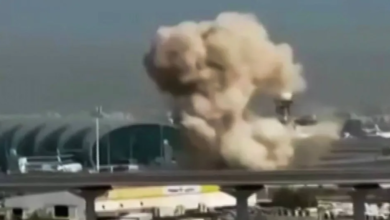
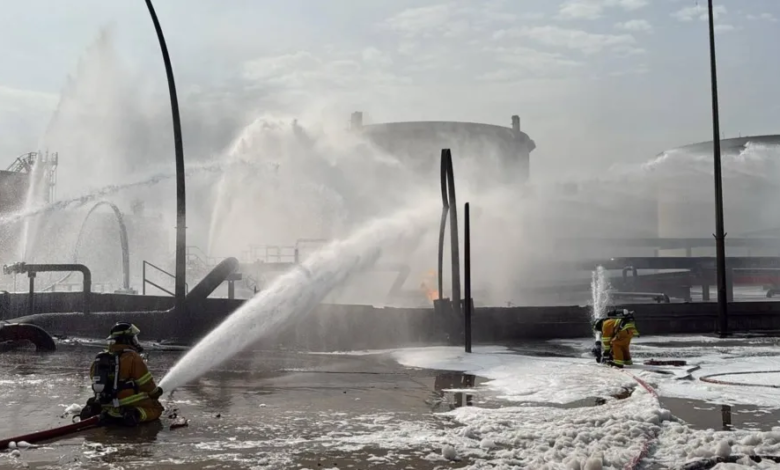
Historically, the Arabian Gulf region has faced numerous security challenges, but the last decade has been marked by a significant escalation in the use of drones, ballistic missiles, and cruise missiles. These threats have been starkly illustrated by attacks launched by Iranian-backed militias, such as the Houthi group in Yemen, against civilian and economic targets in Saudi Arabia and the United Arab Emirates. The 2019 attacks on the Abqaiq and Khurais oil facilities constituted a strategic turning point, prompting the Gulf Cooperation Council (GCC) states to accelerate the modernization and development of their integrated air defense networks and to strengthen joint military cooperation with international allies to ensure air superiority.
The most prominent defense systems used
The Gulf states rely on a sophisticated arsenal of air and missile defense systems to secure their airspace, and among the most prominent of these systems are:
- The Patriot system: which has proven highly effective in intercepting short- and medium-range ballistic missiles and drones.
- The THAAD system: designed to intercept ballistic missiles in and outside the atmosphere, providing an additional and advanced layer of protection.
- Early warning systems: Advanced radar networks that contribute to detecting aerial threats well before they arrive, in order to deal with them accurately and professionally.
The importance of the event and its expected impact
Local impact
Domestically, the success of the Gulf defense systems in countering these attacks contributes to instilling a sense of security among citizens and residents, and protecting lives and property. It also ensures the uninterrupted operation of vital facilities such as airports, desalination plants, and oil installations, thus maintaining the momentum of national economic development and supporting the economic transformation visions of the Gulf states.
Regional impact
Regionally, this defensive superiority strengthens the balance of power in favor of the Gulf states and constitutes a genuine deterrent against any attempts at destabilization by Iran or its proxies. It also underscores the importance of defense integration initiatives among the Gulf Cooperation Council (GCC) states and the development of an integrated regional air and missile defense network capable of effectively addressing shared threats with a high level of coordination.
International influence
Internationally, the impact of Gulf security extends beyond the region itself to encompass the entire global economy. The Gulf region is a vital artery for global energy supplies. Therefore, the success of defense systems in thwarting attacks ensures the stability of oil and gas markets and prevents global economic crises that could result from supply shortages. Furthermore, it contributes to securing strategic waterways and international shipping and trade.
a summary
In conclusion, the continued effectiveness of Gulf defense systems in countering Iranian attacks and regional threats is clear evidence of the high level of preparedness and astute strategic vision of the region's nations. Ongoing investment in advanced military technology, coupled with strengthening international alliances, will remain the cornerstone of ensuring security and stability in one of the world's most vital regions.