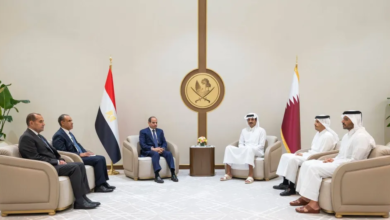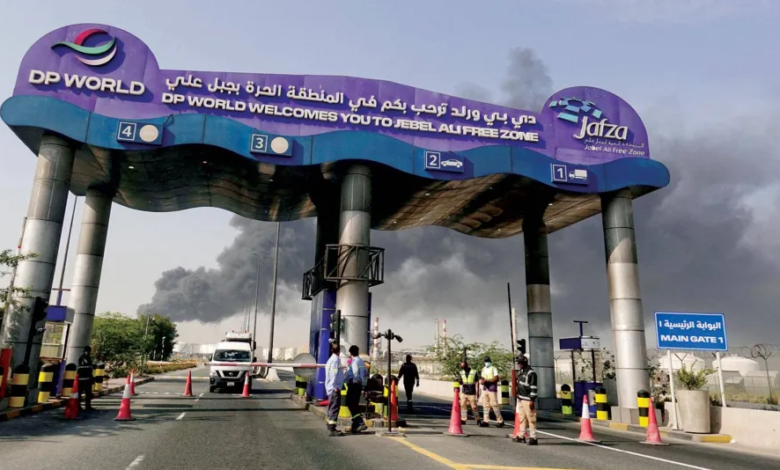

In a significant security development reflecting the scale of the challenges facing the region, the air defense systems of the Gulf Cooperation Council (GCC) countries successfully intercepted a series of hostile attacks targeting civilian infrastructure and vital facilities. This underscores the high level of readiness and constant vigilance of the GCC armed forces. This escalation on the ground coincides with intensive diplomatic efforts, including the announcement of an emergency meeting between Gulf officials and their European Union counterparts to discuss ways to contain the situation and prevent the region from sliding into further tension.
Context of regional tensions and defense readiness
These attacks come at a time of geopolitical instability in the Middle East, with the growing risks associated with the proliferation of drones and ballistic missiles to non-state armed groups. The Gulf Cooperation Council (GCC) states, particularly Saudi Arabia and the United Arab Emirates, have invested heavily in upgrading their air defense systems (such as Patriot and THAAD) to protect their airspace, citizens, and residents. The recent successful interceptions demonstrate the effectiveness of these systems and their ability to handle complex and simultaneous aerial threats, sending a reassuring message domestically and a deterrent message internationally.
Strategic dimensions of the Gulf-European meeting
The emergency meeting with the European Union is of exceptional importance, extending far beyond mere diplomatic condemnation. Gulf-European relations are based on shared strategic interests, most notably energy security, counterterrorism, and securing international shipping lanes. The European side understands that any threat to Gulf security is a direct threat to global economic security and to the energy supplies upon which the continent depends, especially given the current international circumstances.
The meeting is expected to discuss mechanisms for strengthening security and intelligence cooperation between the two sides, as well as exploring potential sanctions or unified political stances against those responsible for these attacks and for destabilizing the region. The two sides will also address the need to activate international laws that criminalize targeting civilians and economic infrastructure.
Expected effects on the international scene
The success of Gulf defenses in thwarting these attacks contributes to maintaining the stability of global energy markets, as any damage to Gulf oil infrastructure could lead to unpredictable spikes in oil prices, harming a global economy already suffering from inflation. Therefore, the swift diplomatic action and the meeting with the European Union reflect a deep awareness of the need for international mobilization to confront these threats and underscore that Gulf security is an integral part of international peace and security.