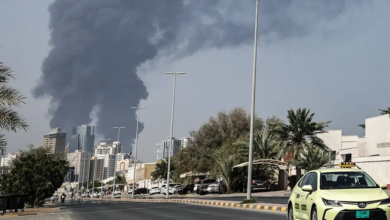

Exceptional success for Gulf air defense systems
In a military and security achievement reflecting high readiness, Gulf defenses successfully neutralized and intercepted 3,133 Iranian-made missiles and drones. This impressive figure underscores the scale of the security challenges faced by the Gulf Cooperation Council (GCC) states in recent years, while simultaneously highlighting the exceptional effectiveness of their advanced defense systems in protecting their airspace and territories from ongoing threats.
General context and historical background of the threats
Over the past decade, the Middle East has witnessed a marked escalation in the use of unconventional weapons, particularly drones and ballistic missiles. Iranian-backed militias, most notably the Houthis in Yemen, have relied on this arsenal to target civilian infrastructure and vital facilities in neighboring countries, especially Saudi Arabia and the United Arab Emirates. This escalation began primarily in 2015, as Tehran sought to equip its regional proxies with missile and suicide drone technology to destabilize the region and exert political and military pressure.
The Gulf Cooperation Council (GCC) countries have invested billions of dollars in building an integrated air defense network based on the latest global technologies, such as Patriot and Terminal High Altitude Area Defense (THAAD) systems, in addition to advanced radars and early warning systems. This strategic investment has enabled them to intercept this massive number of missiles and neutralize their threat with pinpoint accuracy before they reach their targets.
The importance of the event and its expected impact
Local and regional impact
Domestically, the interception of 3,133 missiles and drones directly protects the lives of millions of civilians and residents in the Gulf states. It also ensures the continuation of normal life and the protection of vital infrastructure, such as airports, hospitals, and desalination plants. Regionally, this defensive success sends a strong and direct deterrent message to those attempting to undermine the region's security: the Gulf states possess a robust shield capable of thwarting any asymmetric attacks, thus strengthening the balance of power and curbing ambitions of regional expansion through proxies.
International and economic impact
The impact of these defensive successes extends beyond the regional level to encompass the entire global economy. The Arabian Gulf region is a vital artery for global energy supplies. Protecting oil installations and international shipping lanes in the Red Sea and the Strait of Hormuz from drone and missile attacks ensures the stability of global oil markets and prevents devastating economic crises. Moreover, securing these waterways safeguards global trade and supply chains, which are heavily reliant on the security and stability of this strategic region.
a summary
The ability of Gulf defenses to neutralize this large number of Iranian aerial threats underscores the astute strategic vision of Gulf leaders in modernizing their military arsenals. Joint security and defense coordination among the Gulf states and their international allies remains a cornerstone for ensuring security and stability, and for confronting any future challenges that may threaten regional and international peace.