
Gulf defenses succeed in securing energy facilities
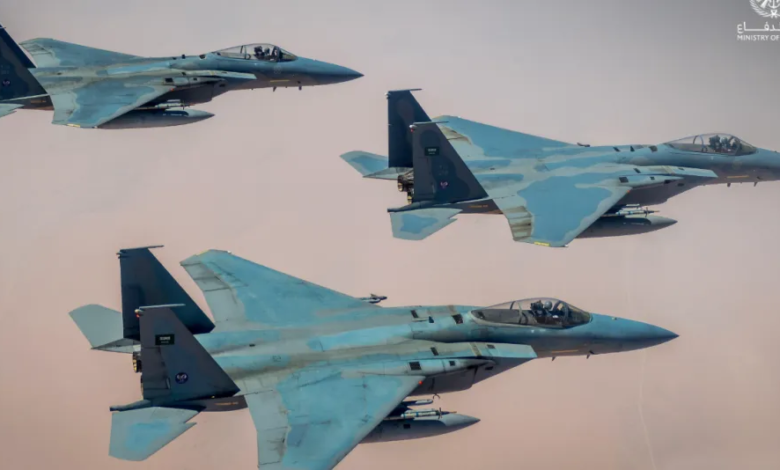
In a significant security and strategic development reflecting their high level of preparedness, the defense systems of the Gulf Cooperation Council (GCC) states successfully thwarted Iranian or Iranian-backed attacks targeting vital energy facilities. This success on the ground represents not only a tactical victory but also a major advancement in the GCC's air surveillance and interception capabilities, ensuring the uninterrupted flow of energy supplies to global markets and preserving the stability of regional economies.
Historical context and the evolution of threats
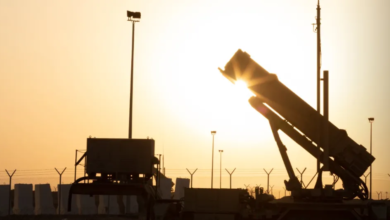
To understand the significance of this achievement, one must consider the historical context of tensions in the Arabian Gulf region. Over the past years, the region's energy infrastructure has faced numerous threats, most notably the 2019 attacks on Saudi Aramco facilities in Abqaiq and Khurais. These attacks constituted a strategic turning point, prompting Gulf states to accelerate the modernization of their defense systems, relying on advanced Patriot missile networks and Terminal High Altitude Area Defense (THAAD) systems, in addition to strengthening joint security and intelligence cooperation. The countries of the region recognized that securing their airspace is the first line of defense for protecting their economic assets.
The strategic importance of Gulf energy facilities
The Arabian Gulf region is a vital energy artery for the world, with a significant portion of global oil and gas supplies passing through the Strait of Hormuz and Gulf export ports. Targeting these facilities is not only an attack on the region's countries but also a direct threat to global economic security. Therefore, the ability of Gulf air defenses to neutralize drones and ballistic or cruise missiles before they reach their targets is a crucial safeguard against global energy crises that could lead to sharp increases in oil prices and harm both major and emerging economies.
Expected impacts: locally, regionally, and internationally
On the local level: This defensive success enhances the confidence of citizens and investors in the state’s ability to protect its national assets and vital infrastructure, thus ensuring the continuation of economic development plans and strategic projects without setbacks or delays.
Regionally, thwarting these attacks sends a strong and clear message of deterrence to Tehran and its proxies in the region, demonstrating that the Gulf states possess a comprehensive missile shield capable of addressing various aerial threats. It also strengthens military coordination among the Gulf Cooperation Council (GCC) states to build a unified regional defense umbrella.
On the international level, this development reassures global markets and the Gulf's trading partners. Stability in the Gulf region means stable energy prices, which positively impacts inflation rates and global economic growth. It also underscores the importance of strategic partnerships between the Gulf states and major powers in maintaining maritime security.
The future of regional security
In conclusion, the success of Gulf defenses in countering threats and securing energy facilities demonstrates that investment in advanced military technology and early warning systems is an indispensable strategic choice. With ongoing geopolitical tensions, the next phase is expected to witness further integration of modern technologies into defense systems to ensure a faster and more accurate response to any future threats.