
أصدر الاجتماع الوزاري الخليجي-الأوروبي الطارئ بياناً مشتركاً حمل لهجة شديدة الحزم تجاه التطورات الأمنية في المنطقة، حيث اتفق الجانبان على تكثيف الجهود الدبلوماسية لضمان منع إيران من امتلاك سلاح نووي، معتبرين أن هذا الأمر يشكل ركيزة أساسية للأمن والاستقرار الإقليمي والدولي. وجاء هذا الموقف الموحد ليعكس عمق القلق المشترك إزاء الطموحات النووية الإيرانية وتداعياتها المحتملة على السلم العالمي.
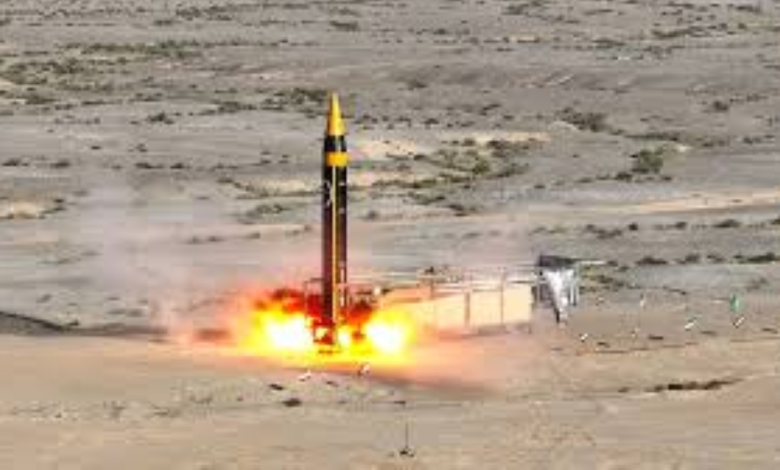
واستنكر البيان الختامي للاجتماع، بأشد العبارات، الهجمات الإيرانية التي وصفها بغير المبررة على دول مجلس التعاون الخليجي. وأكد الوزراء المشاركون أن هذه الاعتداءات لا تمثل انتهاكاً لسيادة الدول فحسب، بل تشكل تهديداً صارخاً ومباشراً للأمن الإقليمي وحركة التجارة الدولية. وشدد البيان على حق دول مجلس التعاون الخليجي المشروع في اتخاذ كافة التدابير اللازمة للدفاع عن أمنها واستقرارها وسلامة أراضيها ومواطنيها ضد أي تهديدات خارجية.
السياق الاستراتيجي والخلفية التاريخية
يأتي هذا التحرك الدبلوماسي المكثف في وقت تشهد فيه العلاقات بين إيران والغرب، وكذلك مع دول الجوار، توترات متصاعدة بسبب تعثر المفاوضات النووية واستمرار الأنشطة المزعزعة للاستقرار في المنطقة. تاريخياً، لطالما سعت دول مجلس التعاون الخليجي إلى بناء علاقات حسن جوار قائمة على الاحترام المتبادل وعدم التدخل في الشؤون الداخلية، إلا أن السلوك الإيراني، سواء عبر البرنامج النووي أو دعم الميليشيات المسلحة، ظل عائقاً أمام تحقيق استقرار مستدام. ويعكس الاجتماع الأوروبي الخليجي إدراكاً متزايداً لدى الاتحاد الأوروبي بأن أمن الخليج هو جزء لا يتجزأ من الأمن الأوروبي، نظراً للارتباط الوثيق في ملفات الطاقة والاقتصاد.
أهمية الحدث وتأثيراته المتوقعة
يحمل هذا الاتفاق دلالات سياسية واستراتيجية بالغة الأهمية على عدة أصعدة:
- على الصعيد الإقليمي: يرسل البيان رسالة ردع قوية وموحدة إلى طهران، مفادها أن المجتمع الدولي لن يتساهل مع أي تهديدات تمس أمن دول الخليج، وأن الخيار الدبلوماسي مدعوم بموقف سياسي صلب.
- على الصعيد الدولي: يعزز هذا التقارب الشراكة الاستراتيجية بين مجلس التعاون والاتحاد الأوروبي، مما يفتح الباب أمام تعاون أوسع يشمل الأمن السيبراني، وأمن الملاحة البحرية، ومكافحة الإرهاب.
- اقتصادياً: يساهم هذا الموقف في طمأنة الأسواق العالمية، حيث أن استقرار منطقة الخليج يعد عاملاً حيوياً لضمان تدفق إمدادات الطاقة العالمية واستقرار الأسعار، وهو ما يهم الدول الأوروبية بشكل مباشر في ظل التحديات الاقتصادية الراهنة.
وفي الختام، يمثل هذا الإجماع الخليجي الأوروبي خطوة محورية نحو إعادة ضبط التوازنات في المنطقة، مؤكداً أن الحلول الدبلوماسية المستدامة تتطلب موقفاً دولياً موحداً يضع حداً للانتهاكات ويضمن خلو المنطقة من أسلحة الدمار الشامل.