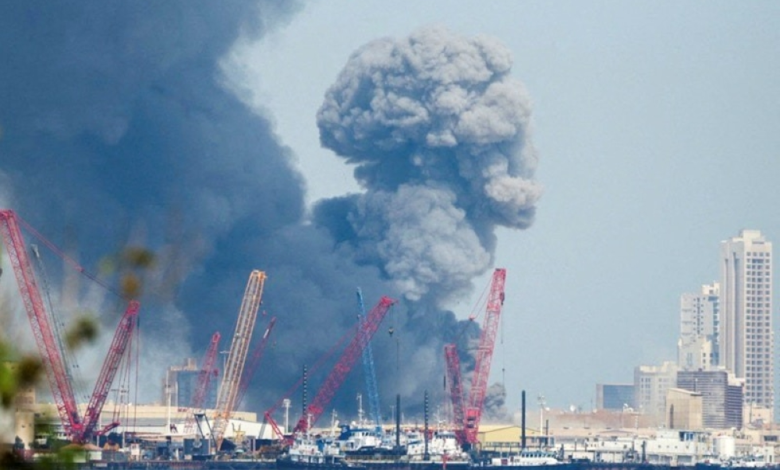

An emergency ministerial meeting between the Gulf Cooperation Council (GCC) and the European Union will convene tomorrow, Thursday, in a high-level diplomatic move aimed at discussing the serious repercussions of the recent Iranian attacks on Gulf states. This swift action reflects the extent of regional and international concern over the escalating tensions that threaten the security and stability of the region, and seeks to coordinate common positions between the GCC and the EU.
In a statement reflecting the seriousness of the situation, Jassem Mohammed Al-Budaiwi, Secretary-General of the Gulf Cooperation Council (GCC), affirmed that the GCC states are seeking, through these intensive meetings, a clear and unequivocal international condemnation of the Iranian attacks, which he described as “treacherous.” Al-Budaiwi indicated that the continuation of these hostile actions is blatant evidence of intentions aimed at destabilizing the region, stressing the necessity for Tehran to immediately cease these attacks.
Strategic partnership to address security challenges
This meeting is of exceptional importance given the sensitive timing and complex geopolitical circumstances in the Middle East. Gulf-European relations are no longer limited to economic and trade aspects, but have evolved to include high-level security and political coordination. The European side recognizes that Gulf security is an integral part of global security, given the region's significant role in the global energy balance and its status as a vital corridor for international trade.
The ministers are expected to discuss ways to strengthen diplomatic deterrence mechanisms and activate international channels to exert real pressure that will force Iran to respect the principles of good neighborliness and international laws that prohibit attacks on the sovereignty of states.
A blatant violation of international conventions
These developments come within a long history of tensions, with the Gulf Cooperation Council (GCC) states consistently calling on Iran to comply with the UN Charter, which clearly stipulates respect for the sovereignty of states and non-interference in their internal affairs. Observers believe that the recent attacks represent a dangerous escalation requiring a unified international response that goes beyond the usual statements of condemnation.
The convening of this emergency meeting sends a strong message that the international community, represented by two key blocs—the Gulf Cooperation Council and the European Union—will not stand idly by in the face of any threats to maritime security or the territorial integrity of the Gulf states. The meeting is likely to produce recommendations that support the Gulf position in international forums, and may even hint at stricter economic or diplomatic measures if these violations do not cease.
The world is awaiting the outcome of this ministerial meeting, which may establish a new phase of strategic security cooperation between the Gulf and Europe, putting an end to destabilizing policies in the region.