
Introduction: The Geopolitical Landscape in the Middle East
Amidst the ongoing tensions in the Middle East, the Gulf Cooperation Council (GCC) states maintain a firm stance, insisting on dialogue and political solutions to end regional crises. In contrast to these tireless diplomatic efforts, security challenges persist, including attacks on vital infrastructure and civilian facilities—practices often attributed to Iranian-backed armed groups in the region. This stark contrast between the Gulf's desire for stability and the escalating violence on the ground places the region at a critical crossroads, demanding responsible international intervention.
The historical context of the tensions and diplomatic efforts
Historically, the Gulf Cooperation Council (GCC) states have sought to maintain the security and stability of the region, given its crucial role as a vital artery for global energy supplies. The past few years have witnessed numerous Gulf initiatives aimed at resolving conflicts, most notably the ongoing efforts to find a comprehensive political solution to the crisis in Yemen under the auspices of the United Nations. In a strategic move toward de-escalation, the 2023 Saudi-Iranian agreement, brokered by China, to resume diplomatic relations reflects a genuine Gulf desire to move beyond past disputes and pursue shared development. However, building trust requires a full commitment to ceasing interference in the internal affairs of states and respecting their national sovereignty.
Targeting infrastructure: A threat to regional and international security
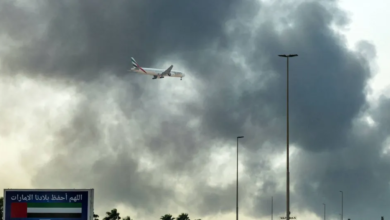
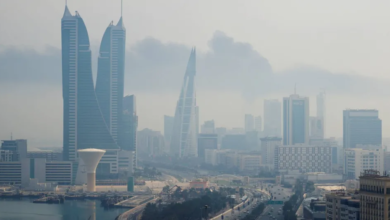
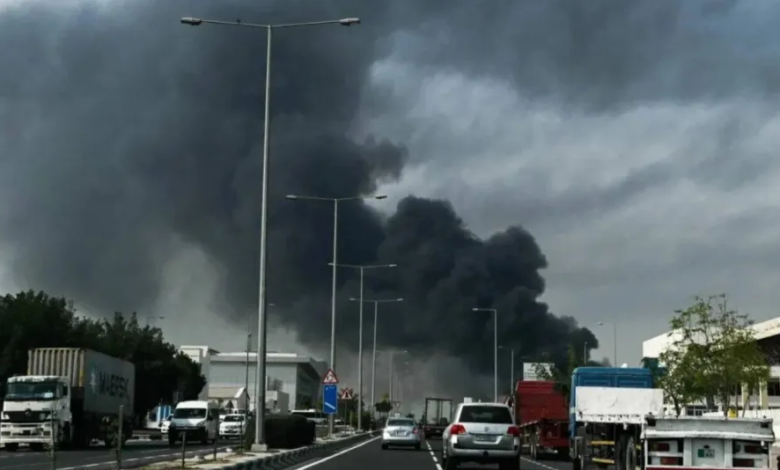
Despite diplomatic breakthroughs, the threat to infrastructure remains a major obstacle to lasting peace. Critical energy facilities, civilian airports, and international shipping lanes in the Red Sea and the Strait of Hormuz have been repeatedly attacked using drones and ballistic missiles. These attacks not only target the security of the Gulf states but also pose a direct threat to the global economy, leading to fluctuations in oil prices and disruptions to international supply chains and trade. The continuation of these practices reflects a strategy of maintaining regional instability to achieve negotiating or geopolitical gains.
Expected impacts and strategic importance
At the local and regional levels, these tensions hinder the ambitious development and economic diversification plans adopted by the Gulf states, such as Saudi Arabia’s Vision 2030 and other development initiatives. They also increase security burdens and drain resources that could have been directed toward economic prosperity. Internationally, the international community finds itself compelled to take a more assertive stance to protect freedom of navigation and ensure the security of energy supplies, which explains the intensified international naval presence in critical waterways to safeguard trade routes.
The Gulf's future vision: a balance between deterrence and diplomacy
Faced with these complex challenges, the Gulf capitals have adopted a balanced strategy based on two parallel tracks. The first track involves strengthening national defense capabilities and developing air defense systems to protect civilian infrastructure and assets from any potential attacks. The second, and more important, track involves maintaining open channels of communication and continuing diplomatic pressure in international forums to emphasize that a military solution will only bring further destruction. The Gulf's insistence on a political solution is not a sign of weakness, but rather a deep understanding that comprehensive and sustainable stability can only be achieved through negotiations and adherence to the principles of good neighborliness and international law.