
تأكيد على مبدأ الأمن الجماعي في اجتماع وزراء داخلية دول مجلس التعاون
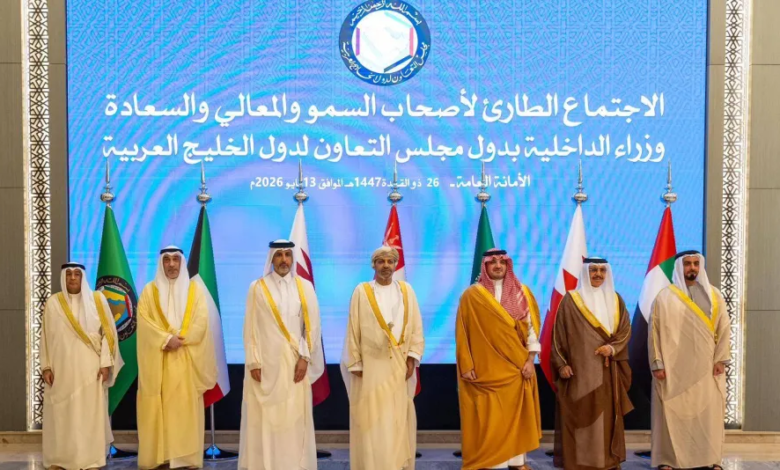
في خطوة تعكس عمق التنسيق الأمني وتوحيد الرؤى لمواجهة التحديات الإقليمية المتزايدة، جدد وزراء داخلية دول مجلس التعاون لدول الخليج العربية تأكيدهم الراسخ على أن أمن دول المجلس هو كل لا يتجزأ. جاء هذا التأكيد خلال اجتماعهم الدوري الذي يهدف إلى تعزيز آليات العمل المشترك وتطوير الاستراتيجيات الأمنية لمواجهة التهديدات المستجدة التي تحيط بالمنطقة، مشددين على أن أي مساس بأمن دولة عضو هو مساس بأمن جميع دول المجلس.
خلفية تاريخية وسياق التعاون الأمني الخليجي
لم يكن هذا المبدأ وليد اللحظة، بل هو حجر الزاوية في فلسفة التعاون الأمني الخليجي منذ تأسيس مجلس التعاون في عام 1981. نشأ المجلس في ظل ظروف إقليمية معقدة، وكان الهاجس الأمني دافعاً رئيسياً لتوحيد الصفوف. على مر العقود، تطور هذا التعاون من مجرد تنسيق إلى شراكة استراتيجية متكاملة، تم تتويجها بالعديد من الاتفاقيات الأمنية، مثل الاتفاقية الأمنية لمكافحة الإرهاب، وإنشاء أجهزة أمنية مشتركة مثل جهاز الشرطة الخليجية (GCC-POL)، بالإضافة إلى إجراء تدريبات وتمارين أمنية دورية مشتركة مثل تمرين “أمن الخليج العربي”، الذي يهدف إلى رفع كفاءة الأجهزة الأمنية وقدرتها على العمل ككيان واحد.
أهمية القرار وتأثيره في ظل التحديات الراهنة
يكتسب هذا التأكيد أهمية مضاعفة في الوقت الحالي، حيث تواجه المنطقة تحديات أمنية غير مسبوقة، تتنوع بين خطر الإرهاب والتنظيمات المتطرفة، والجريمة المنظمة العابرة للحدود، وتهريب المخدرات، والهجمات السيبرانية التي تستهدف البنى التحتية الحيوية. ويمثل هذا الموقف الموحد رسالة ردع واضحة لأي جهة تسعى لزعزعة استقرار المنطقة، ويؤكد على قدرة دول المجلس على حماية مكتسباتها ومصالح شعوبها بشكل جماعي.
التأثير على المستويات المحلية والإقليمية والدولية
على المستوى المحلي، يبعث هذا التنسيق رسالة طمأنة للمواطنين والمقيمين في دول الخليج، ويعزز الثقة في قدرة الأجهزة الأمنية على ضمان السلامة والاستقرار. أما على الصعيد الإقليمي، فهو يعزز من مكانة مجلس التعاون ككتلة متماسكة وقوة فاعلة في معادلات الأمن الإقليمي. دولياً، يقدم هذا التكاتف دول المجلس كشريك موثوق للمجتمع الدولي في جهود مكافحة الإرهاب والجريمة الدولية، ويساهم في استقرار أحد أهم ممرات الطاقة والتجارة العالمية، مما يخدم الأمن والسلم الدوليين.