
مقدمة عن الاجتماع الوزاري المشترك
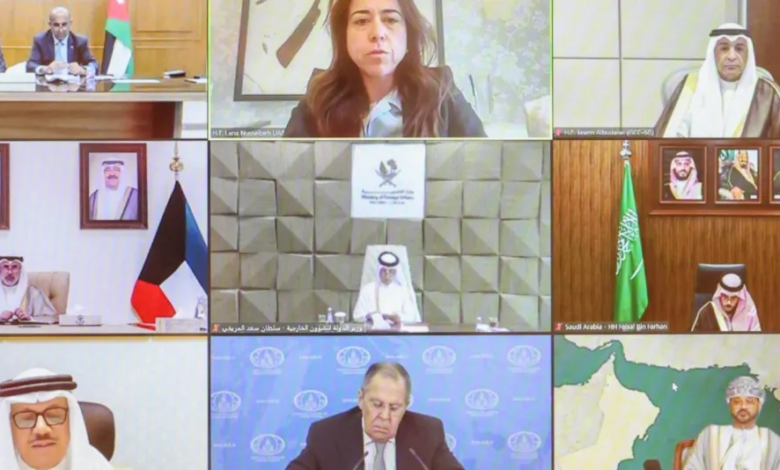
في ظل التطورات الجيوسياسية المتسارعة التي تشهدها منطقة الشرق الأوسط، عُقد اجتماع وزاري خليجي – أردني – روسي على مستوى وزراء الخارجية، تركزت أجندته بشكل رئيسي على مناقشة التحديات الأمنية الإقليمية، وعلى رأسها الاعتداءات والتدخلات الإيرانية في شؤون دول المنطقة. يأتي هذا اللقاء الدبلوماسي الرفيع في وقت حرج تسعى فيه الدول العربية إلى تعزيز شراكاتها الدولية لضمان الاستقرار الإقليمي وحماية أمنها القومي من التهديدات المستمرة التي تعرقل مسارات التنمية والسلام.
السياق العام والخلفية التاريخية للحدث
تاريخياً، شكلت العلاقات الخليجية الروسية، وكذلك الأردنية الروسية، محوراً هاماً في توازنات القوى في الشرق الأوسط. وقد انطلق الحوار الاستراتيجي بين مجلس التعاون الخليجي وروسيا الاتحادية منذ سنوات بهدف تعزيز التعاون الاقتصادي والسياسي. ومع تصاعد النفوذ الإيراني في العقد الأخير، عبر دعم طهران للميليشيات المسلحة في عدة دول عربية مثل اليمن، سوريا، العراق، ولبنان، باتت الحاجة ملحة لتنسيق المواقف. الأردن، بصفته دولة جوار محورية، يعاني بشكل مباشر من تداعيات الانفلات الأمني على حدوده الشمالية مع سوريا، حيث تنشط ميليشيات مدعومة من إيران في عمليات تهريب الأسلحة والمخدرات، مما يشكل تهديداً مباشراً للأمن الوطني الأردني والخليجي على حد سواء، ويستدعي تدخلاً دبلوماسياً حازماً.
أهمية الحدث وتأثيره المتوقع إقليمياً ودولياً
تكمن الأهمية الاستراتيجية لهذا الاجتماع في مشاركة روسيا، التي تمتلك نفوذاً واسعاً في سوريا وعلاقات معقدة مع طهران. تسعى الدول الخليجية والأردن من خلال هذا الحوار إلى الضغط الدبلوماسي واستثمار الدور الروسي لتحجيم التمدد الإيراني وتقليص المخاطر الأمنية. على الصعيد المحلي والإقليمي، يهدف التنسيق إلى تأمين الحدود، حماية الممرات المائية الاستراتيجية مثل البحر الأحمر ومضيق هرمز، وضمان سلامة الملاحة البحرية التي تضررت بشدة جراء هجمات الحوثيين. أما على الصعيد الدولي، فإن استقرار هذه المنطقة يعد ركيزة أساسية لأمن الطاقة العالمي، وأي تصعيد إيراني يهدد إمدادات النفط والتجارة العالمية، مما يجعل هذا التنسيق ضرورة دولية وليس فقط إقليمية.
آفاق التعاون المستقبلي لردع التهديدات
من المتوقع أن يسفر هذا الحراك الدبلوماسي عن تفاهمات أعمق حول ضرورة احترام سيادة الدول ومبادئ حسن الجوار وفقاً للقانون الدولي وميثاق الأمم المتحدة. كما يوجه رسالة واضحة بأن الدول العربية مستمرة في تنويع تحالفاتها وشراكاتها الاستراتيجية لحماية مصالحها. إن استمرار الاعتداءات الإيرانية والتدخل في الشؤون الداخلية للدول العربية يتطلب موقفاً دولياً حازماً، ويعتبر هذا الاجتماع الثلاثي الأبعاد خطوة متقدمة نحو بناء جبهة دبلوماسية متماسكة قادرة على فرض معادلات جديدة تعزز من فرص السلام والاستقرار في الشرق الأوسط.