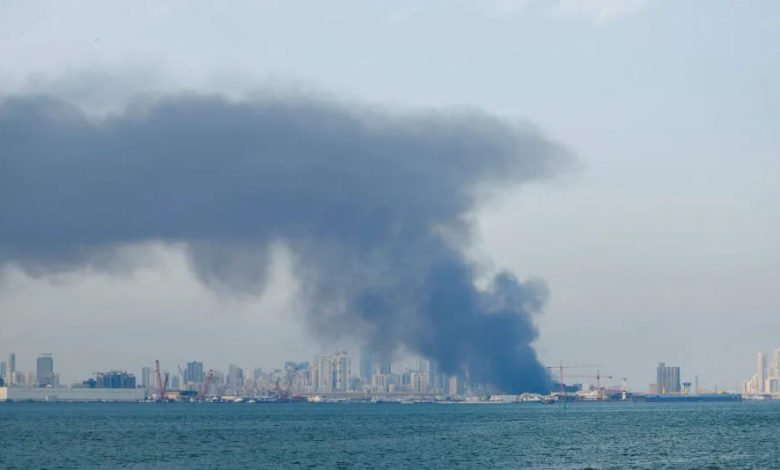
The Arabian Gulf region is experiencing a state of constant strategic anticipation amid escalating geopolitical tensions, with the question of Gulf response scenarios to any potential Iranian aggression becoming a top priority for decision-makers in the region. This is no longer limited to traditional diplomatic solutions, but extends to include integrated military and security strategies aimed at achieving a balance of deterrence and protecting the vital interests of the Gulf Cooperation Council (GCC) states.
Strengthening defense systems: The protective shield
Among the most prominent scenarios being considered are plans to bolster defense capabilities . In recent years, Gulf states have sought to modernize their military arsenals with the latest air and missile defense systems. This includes deploying advanced missile batteries capable of intercepting ballistic missiles and drones, which are the primary tools in modern Iranian threats. Efforts are also underway to enhance intelligence cooperation and the immediate exchange of information between the GCC states and their international allies to monitor any suspicious movements in territorial waters or airspace.
Attack possibilities and active deterrence policy
On the other hand, military analysts do not rule out the possibility of an attack as part of a policy of "active deterrence." This scenario does not necessarily imply a full-scale war, but could involve precise surgical strikes targeting missile launch sites or bases from which threats originate, whether within Iranian territory or through its proxies in the region. This option is based on the internationally recognized right to self-defense, particularly if energy infrastructure or international shipping lanes are threatened.
General context and historical background
To understand the nature of these scenarios, it is necessary to revisit the historical background of the conflict in the region. From the Tanker War in the 1980s, through the attacks on Aramco facilities in 2019, to the ongoing harassment of commercial vessels in the Strait of Hormuz, the Gulf states have realized that total reliance on external protection is no longer sufficient. This realization has led them to develop a self-reliant strategy based on diversifying their sources of arms and building new regional alliances.
Strategic importance and international influence
Any escalation in this matter would have global consequences . The Gulf region is the world's energy lifeline, and any disruption to its security would immediately impact oil prices and the global economy. Domestically, this situation strengthens Gulf unity and accelerates military and security integration. Regionally, these scenarios would curb Iranian expansionist ambitions and establish new rules of engagement to ensure regional stability and prevent its descent into chaos.