Arab and international solidarity with the Gulf against Iranian aggression and interference

Gulf appreciation for positions supporting the region's security
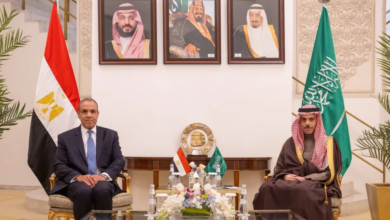
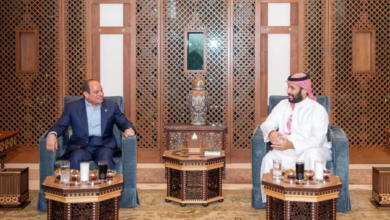
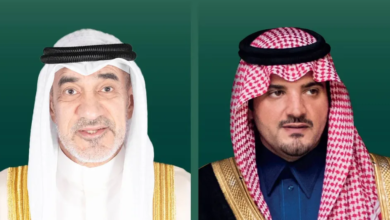
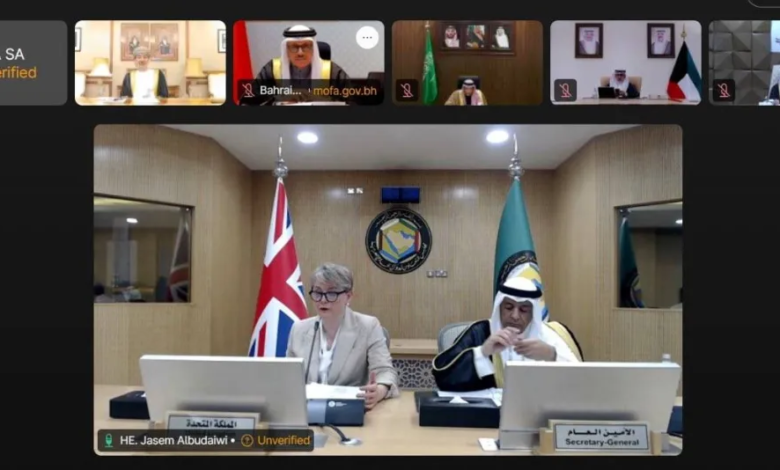
The Gulf Cooperation Council (GCC) states expressed their deep appreciation and high praise for the solidarity shown by the Hashemite Kingdom of Jordan, the Arab Republic of Egypt, the Kingdom of Morocco, and the United Kingdom in standing united against Iran's ongoing aggression and interference in the region's affairs. This appreciation underscores the importance of joint action and a unified vision to confront the security challenges that threaten the stability of the Middle East and safeguard the sovereignty of its nations.
General context and historical background of Iranian interventions
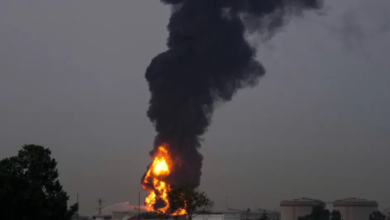
Historically, Gulf-Iranian relations have witnessed numerous periods of tension, stemming primarily from Tehran's expansionist policies and its support for armed militias and proxies in several Arab countries, including Yemen, Lebanon, Syria, and Iraq. These tensions have escalated with repeated attacks on vital civilian and economic infrastructure in the Gulf states, as well as threats to international shipping lanes in the Red Sea and the Strait of Hormuz. In this context, the Gulf states have consistently called upon the international community to uphold its responsibilities in maintaining international peace and security and to pressure Iran to respect the principles of good neighborliness and international law, which prohibits interference in the internal affairs of sovereign states.
The importance of Arab and international solidarity
The solidarity of pivotal states like Jordan, Egypt, and Morocco represents a cornerstone of the Arab national security system. Egypt and Jordan are considered the strategic depth of the Gulf states, bound to them by close security and military agreements and cooperation. For its part, the Kingdom of Morocco takes firm stances against Iranian interference and has previously taken decisive diplomatic steps in response to Tehran's support for the Polisario Front. Internationally, the United Kingdom plays a vital role as a strategic ally of the Gulf states, contributing to enhanced maritime security and providing logistical and intelligence support to counter regional threats, reflecting a global understanding of the dangers posed by Iran's destabilizing policies.
The expected impact of alliance and solidarity (locally, regionally and internationally)
At the local and regional levels, this solidarity strengthens the cohesion of the Arab home front and enhances the Gulf states' ability to deter any potential threats. It also sends a clear message that any threat to Gulf security is a threat to Arab national security as a whole, thus reducing the likelihood of military escalation and establishing a new reality based on joint deterrence and strategic cooperation.
On the international level, this consensus is of paramount importance to the global economy, as the Gulf region is a vital artery for global energy supplies. Securing this region against Iranian aggression ensures the stability of oil and gas markets and protects global trade. Moreover, the involvement of major powers like Britain in this solidarity lays the foundation for broader international alliances aimed at curbing destabilizing activities and pushing Tehran toward serious and constructive dialogue instead of brinkmanship.
a summary
In conclusion, the Gulf states' appreciation of these supportive stances reflects a deep understanding that the region's security is indivisible. The combined Arab and international efforts, exemplified by the positions of Jordan, Egypt, Morocco, and Britain, form a strong bulwark against any attempts to destabilize the region and lay the foundation for a new phase of strategic cooperation aimed at achieving peace and sustainable development in the Middle East.