
Introduction: A firm Gulf commitment to protecting the region's security
The Gulf Cooperation Council (GCC) states continue their tireless efforts to counter Iranian interference and security threats targeting the stability of the region. The security of the Arabian Gulf is a cornerstone not only for the littoral states but also for the global economy as a whole, given the region's strategic importance as a vital artery for global energy supplies. Amidst escalating geopolitical tensions, the GCC states reaffirm their unwavering commitment to protecting their sovereignty and national interests against any external attacks or interference aimed at destabilizing the region.
General context and historical background of the tensions
The roots of security tensions between the Gulf states and Iran stretch back decades, specifically to 1979, when the region witnessed radical political transformations that led Tehran to adopt policies based on interference in the internal affairs of neighboring countries. As a strategic response to these challenges, the Gulf Cooperation Council (GCC) was established in 1981, with the aim of strengthening cooperation and integration among the region's countries and forming a united front to confront common security threats. Over the years, the Gulf states have faced numerous challenges, including threats to maritime navigation and support for armed militias in several Arab countries, necessitating the development of sophisticated and sustainable defense and diplomatic strategies.
Strategies to counter Iranian interference
In confronting Iranian attacks and interventions, the Gulf states rely on a comprehensive approach combining military deterrence and diplomatic action. Militarily, the region's countries have modernized their defense systems, strengthened their air defense capabilities, and developed their naval forces to protect territorial waters and vital waterways such as the Strait of Hormuz and the Bab el-Mandeb Strait. Diplomatically, the Gulf states are leading intensive efforts in international forums to expose violations and urge the international community to take firm stances against destabilizing activities, including the development of ballistic missiles and drones used to threaten regional security.
The importance of the event and its expected impact
Local and regional impact
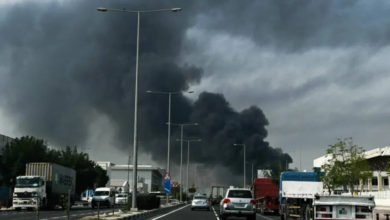
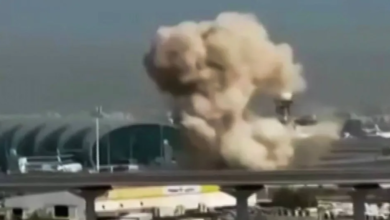
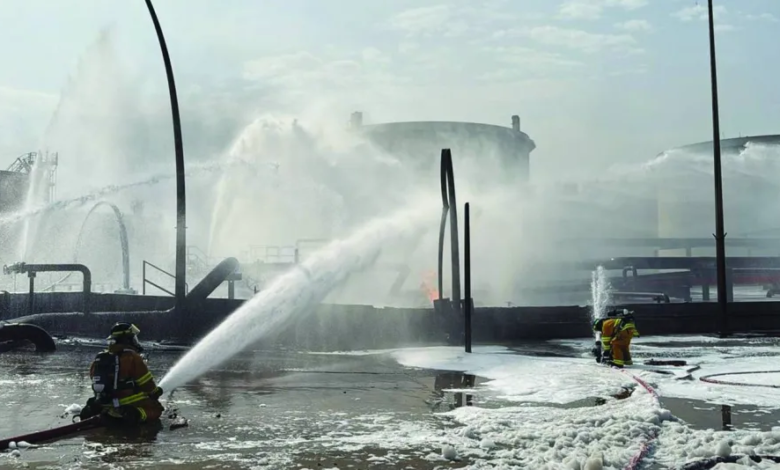
At the local and regional levels, a firm response to Iranian threats contributes to preserving the developmental and economic gains achieved by the Gulf states. Ensuring internal security and protecting vital infrastructure, particularly oil facilities, airports, and ports, is crucial for sustaining development and attracting foreign investment within the framework of future development visions. These efforts also strengthen Arab solidarity and support the stability of neighboring countries suffering from the repercussions of foreign interference, thus creating a more secure regional environment.
International impact and global security
Internationally, the security of the Gulf extends far beyond its geographical borders, impacting the stability of the global economy as a whole. A significant portion of the world's oil and gas supplies pass through the Strait of Hormuz, and any threat to freedom of navigation in this waterway immediately affects global energy prices and inflation rates. Therefore, the efforts of the Gulf states enjoy broad support from major powers and international coalitions involved in securing maritime navigation and combating terrorism and piracy, underscoring that Gulf security is an integral part of international peace and security.
conclusion
In conclusion, the Gulf Cooperation Council (GCC) states remain committed to their approach of promoting peace, good neighborliness, and respect for international laws and conventions. At the same time, they stand firm against any attempts to undermine their security and stability. This continued resistance to Iranian attacks and interference reflects a strong political will and a clear strategic vision aimed at building a secure and prosperous future for the peoples of the region and the world at large.