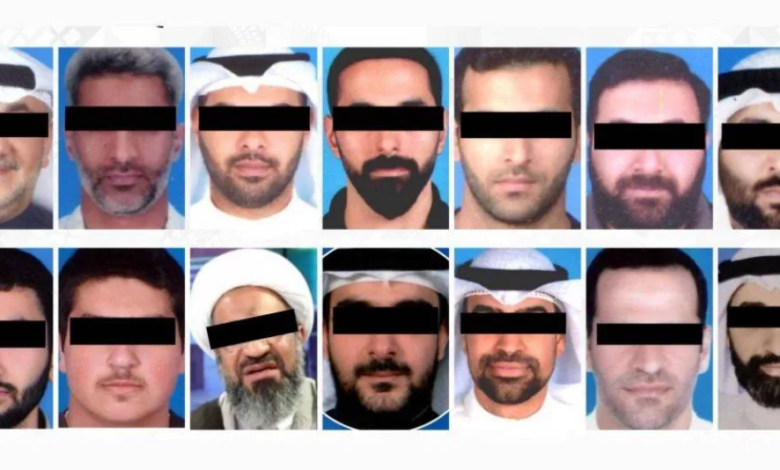

مواجهة التهديدات الإيرانية وتأمين الجبهة الداخلية
تشهد منطقة الخليج العربي تطورات أمنية وسياسية متسارعة، حيث تعمل دول مجلس التعاون الخليجي بخطى حثيثة ومستمرة على حماية أمنها القومي واستقرارها الداخلي. وفي هذا السياق، وبالتوازي مع مواجهة التهديدات والاعتداءات الإيرانية الخارجية، تكثف دول الخليج جهودها الأمنية والاستخباراتية لمطاردة وتفكيك الخلايا النائمة والنشطة التابعة لـ “الحرس الثوري الإيراني” وميليشيا “حزب الله” اللبناني في الداخل.
السياق التاريخي للتدخلات الإيرانية في الخليج
لفهم أبعاد هذه التحركات، يجب النظر إلى السياق العام والخلفية التاريخية للتوترات في المنطقة. منذ اندلاع الثورة الإيرانية عام 1979، تبنت طهران مبدأ “تصدير الثورة”، مما أدى إلى عقود من التدخلات في الشؤون الداخلية للدول المجاورة. وقد سعت إيران، عبر ذراعها العسكري المتمثل في الحرس الثوري، إلى تأسيس ودعم ميليشيات مسلحة وخلايا تجسس في عدة دول عربية. وفي عام 2016، اتخذت دول مجلس التعاون الخليجي قراراً حاسماً بتصنيف ميليشيا “حزب الله” كمنظمة إرهابية، وذلك بناءً على استمرار الأعمال العدائية التي يقوم بها الحزب لتجنيد شباب دول المجلس للقيام بأعمال إرهابية، وتهريب الأسلحة والمتفجرات، وإثارة الفتن الطائفية.
الجهود الأمنية وتفكيك شبكات التجسس والتمويل
على الصعيد المحلي، تترجم هذه السياسات الحازمة إلى عمليات أمنية استباقية. فقد أعلنت عدة دول خليجية في مناسبات متعددة عن إحباط مخططات إرهابية وتفكيك شبكات تمويل وتجسس مرتبطة بشكل مباشر بالحرس الثوري وحزب الله. تشمل هذه الجهود مراقبة التحويلات المالية المشبوهة، وتأمين الحدود والمنافذ، وتعزيز الأمن السيبراني لمواجهة الهجمات الإلكترونية التي تستهدف البنية التحتية الحيوية، مما يعكس يقظة الأجهزة الأمنية الخليجية وقدرتها على إجهاض المخططات قبل تنفيذها.
التأثير المحلي والإقليمي والدولي
تكتسب هذه الإجراءات أهمية بالغة على مستويات عدة. محلياً، تساهم في الحفاظ على السلم الأهلي والنسيج الاجتماعي من محاولات الاختراق الأيديولوجي، وتحمي المقدرات الاقتصادية والمنشآت الحيوية، خاصة تلك المتعلقة بقطاع الطاقة. إقليمياً، تشكل هذه التحركات الخليجية حائط صد منيع أمام محاولات التمدد الإيراني وتطويق المنطقة، كما تعزز من التنسيق الأمني المشترك بين دول الخليج، مما يرسخ مفهوم الأمن الجماعي الإقليمي ويحد من نفوذ الميليشيات المسلحة.
أما على الصعيد الدولي، فإن نجاح دول الخليج في تحجيم هذه الخلايا ينعكس إيجاباً على استقرار الاقتصاد العالمي. فمنطقة الخليج تعتبر الشريان الرئيسي لإمدادات الطاقة العالمية، وأي تهديد لأمنها يمثل تهديداً للأمن والسلم الدوليين. علاوة على ذلك، تتوافق هذه الجهود مع المساعي الدولية والقرارات الأممية الرامية إلى مكافحة الإرهاب وتجفيف منابع تمويله، مما يعزز من مكانة دول الخليج كشركاء موثوقين في التحالفات الدولية ضد الإرهاب والتطرف.
خلاصة
تؤكد دول الخليج من خلال هذه الإجراءات الصارمة أن سيادتها وأمنها خط أحمر لا يمكن التهاون فيه. إن استراتيجية المواجهة المزدوجة، التي تتضمن التصدي للتهديدات الخارجية وتطهير الجبهة الداخلية من الخلايا التخريبية، تعكس وعياً عميقاً بحجم التحديات، وتصميماً راسخاً على حماية المكتسبات التنموية وضمان مستقبل آمن ومستقر لشعوب المنطقة.