The UAE, Qatar, Bahrain, and Kuwait counter Iranian attacks: Details of the event

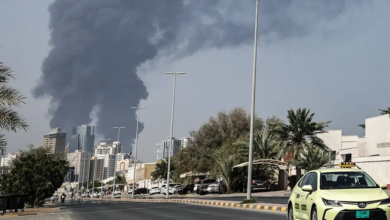
In a significant development in the Middle East, security reports indicate that air defense systems in the United Arab Emirates, Qatar, Bahrain, and Kuwait intercepted missile attacks and threats originating from Iranian territory. This event marks a pivotal turning point in the regional security equation, underscoring the high level of preparedness of the Gulf Cooperation Council (GCC) states in protecting their airspace and sovereignty.
Details of the response and defense systems
The air forces and ground defenses of the four countries successfully detected and intercepted hostile objects before they reached their targets or posed a direct threat to residential areas and vital infrastructure. These countries rely on a sophisticated arsenal of air defense systems, most notably the advanced American Patriot system and the THAAD system, designed to intercept ballistic missiles at high altitudes. This operational success reflects the significant investment made by the Gulf states over the past decade to modernize their military capabilities and integrate their radars into a sophisticated early warning network.
Regional context and historical background
This event cannot be separated from the context of ongoing tensions in the Arabian Gulf region. The issue of Iranian ballistic missiles and drones has long been a point of international and regional contention, with Gulf states and the international community viewing Tehran's development of these weapons as destabilizing to the region. Historically, the region has witnessed several incidents of tension, ranging from threats to close the Strait of Hormuz to attacks on oil facilities and commercial vessels in the Gulf waters, making air security a top priority for decision-makers in Gulf capitals.
Strategic importance and unifying the Gulf front
This collective response carries profound strategic implications, sending a clear message about the cohesion of the Gulf front and its ability to act jointly against external threats. The United States and its regional allies have long sought to promote the concept of a "Gulf missile shield," or what is known as the integration of air defense systems, and this event appears to be a practical application of this concept, as intercepting missiles requires real-time coordination and the exchange of radar information between neighboring countries.
Expected impacts locally and internationally
Internationally, this event is expected to cast a shadow over global energy markets, given the paramount importance of the four countries in oil and gas production and exports. Any threat to their security is considered a direct threat to global energy security, potentially prompting intensive international diplomatic efforts to de-escalate the situation. Regionally, this development may lead to a realignment of security alliances and an acceleration of military cooperation between the Gulf Cooperation Council (GCC) states and their international partners to ensure such violations are not repeated. The Gulf states continue to emphasize the necessity of diplomatic dialogue as the only way to resolve tensions, provided that sovereignty and good neighborliness are respected.