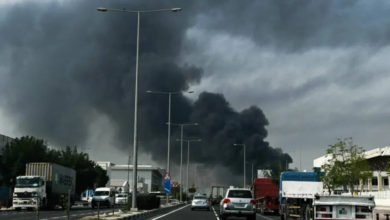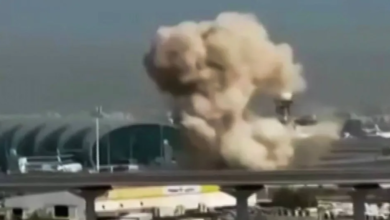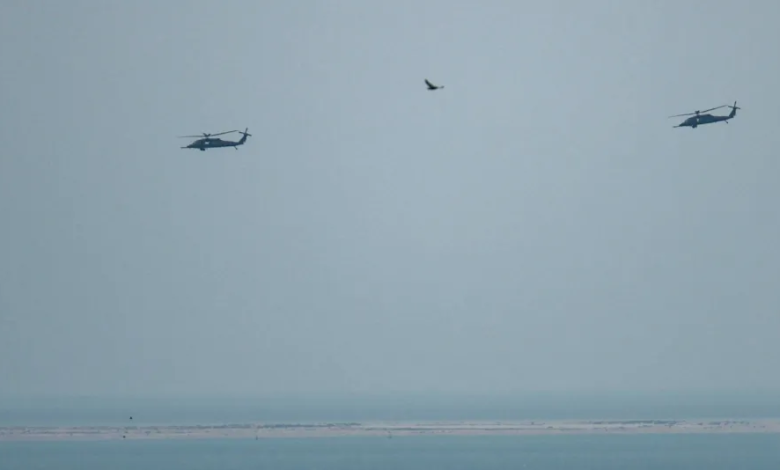

In rapidly evolving developments in the region, the Gulf Cooperation Council (GCC) states successfully countered Iranian aggression on the fifth day of military confrontations, demonstrating advanced defense capabilities and unprecedented joint military coordination. The GCC defense systems intercepted a series of air and missile attacks targeting vital installations, reflecting the significant investment these countries have made in modernizing their military arsenals over the past decades to ensure their national security.
Military readiness and defense systems
This successful interception is a natural result of years of strategic planning and the development of integrated air defense systems, such as the advanced Patriot and THAAD systems possessed by the Gulf Cooperation Council (GCC) states. Military experts indicate that the interception efficiency on the fifth day underscores the high capabilities of the GCC air and air defense forces in dealing with ballistic and drone threats, sending a strong deterrent message that confirms the impossibility of achieving any strategic gains through surprise attacks.
Historical context and regional tensions
These events cannot be separated from the long historical context of tensions in the Arabian Gulf region. Relations between the two sides of the Gulf have always been fraught with political and sectarian rivalries, as Tehran has sought for decades to expand its regional influence, a move consistently met with firm Gulf rejection of any interference in internal affairs or threats to shipping lanes. These current confrontations represent a new chapter in a series of crises that have plagued the region, from the Tanker War of the 1980s to the more recent tensions surrounding the nuclear issue and regional influence.
Strategic importance and global energy impacts
These developments are of paramount global importance given the geostrategic location of the Gulf region, a vital energy artery for the world. As military operations continue for a fifth day, the world's attention is anxiously focused on the Strait of Hormuz, through which nearly a fifth of the world's oil production passes. Any threat to this waterway not only affects the Gulf states but also jeopardizes the entire global economy, potentially leading to a dramatic surge in oil prices and disruptions to global supply chains. This has prompted major international powers to call for de-escalation and the guarantee of freedom of navigation.
International stance and expected scenarios
Internationally, calls for de-escalation are mounting, with the international community fearing the region could descend into a full-blown war with potentially catastrophic consequences. Political analyses suggest that the Gulf states, by their resilience during the first five days, have successfully absorbed the initial shock and shifted the balance of power, potentially paving the way for international diplomatic interventions aimed at restoring stability to the region, while affirming the Gulf states' legitimate right to defend their territories and sovereignty against any external aggression.