Gulf and Egyptian stocks rise as tensions ease and earnings season begins

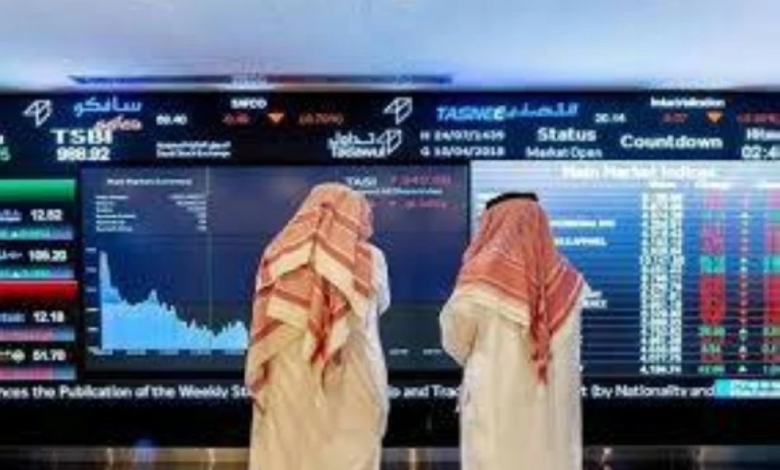
Most Gulf stock markets a notable rise in performance, driven by improved investor sentiment resulting from the easing of recent geopolitical tensions in the region. This rise coincided with markets awaiting corporate earnings reports, while the Saudi stock market index closed stable, influenced by a slight decline in oil prices and normal profit-taking after previous gains.
Mixed performance and strong gains
In terms of daily performance, the Qatar Stock Exchange recorded growth of 0.7%, while the main index in Kuwait rose by 0.8%, and the main index in Oman closed 0.2% higher. In Bahrain, the main index ended trading relatively unchanged. Outside the Gulf region, the Egyptian Exchange index achieved a significant jump of 2.5%, closing at its highest level ever, with most trading screens displaying green, reflecting strong liquidity and renewed confidence in the Egyptian market.
Economic and geopolitical context
This performance comes at a time when geopolitical factors are playing a crucial role in shaping investment trends in the Middle East. Financial markets in the GCC countries have always been sensitive to regional and security stability, given their economies' interconnectedness with global energy markets and international trade. The relative calm and easing of fears of escalating conflicts are encouraging a return of risk appetite among both foreign and domestic investors.
Earnings season and future forecasts
Meanwhile, financial market participants are awaiting the release of further financial data for the fourth quarter of the fiscal year, as the earnings season begins. This period is considered crucial for assessing the performance of leading companies and determining the direction of stocks in the coming period.
Economic analysts believe that the markets are currently based on strong economic fundamentals, supported by projected economic growth of up to 4.5% by 2026, which enhances the region's investment appeal in the medium and long term. Despite this positive outlook, oil price volatility remains a significant factor, as Gulf countries strive to diversify their revenue streams as part of their future economic visions to reduce their overall dependence on oil revenues. This diversification will give their financial markets greater depth and resilience to external shocks.